A Visual Journey and Ultimate Guide to Universal Accessibility In Multifamily Housing
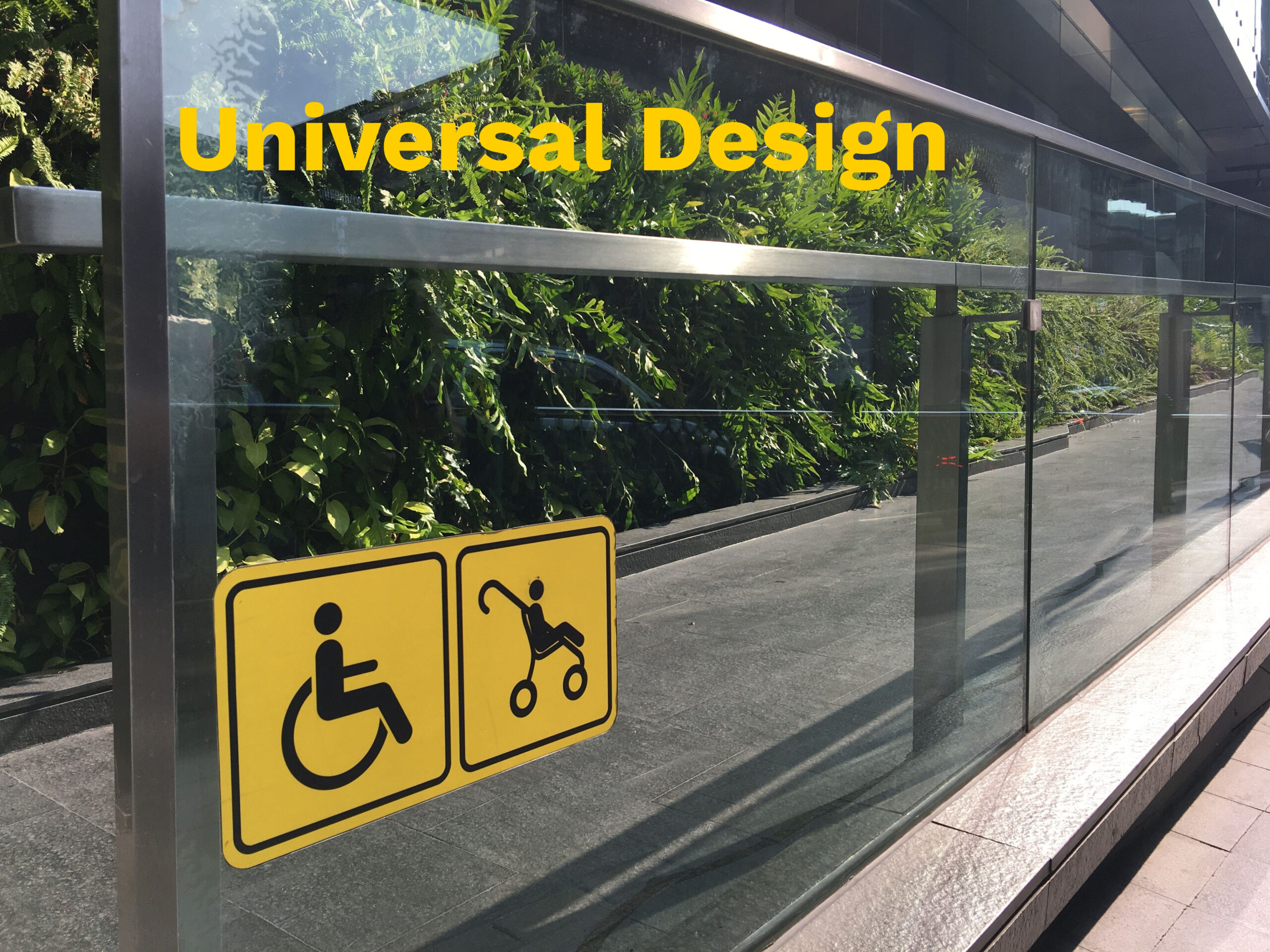
Universal Design in Multi
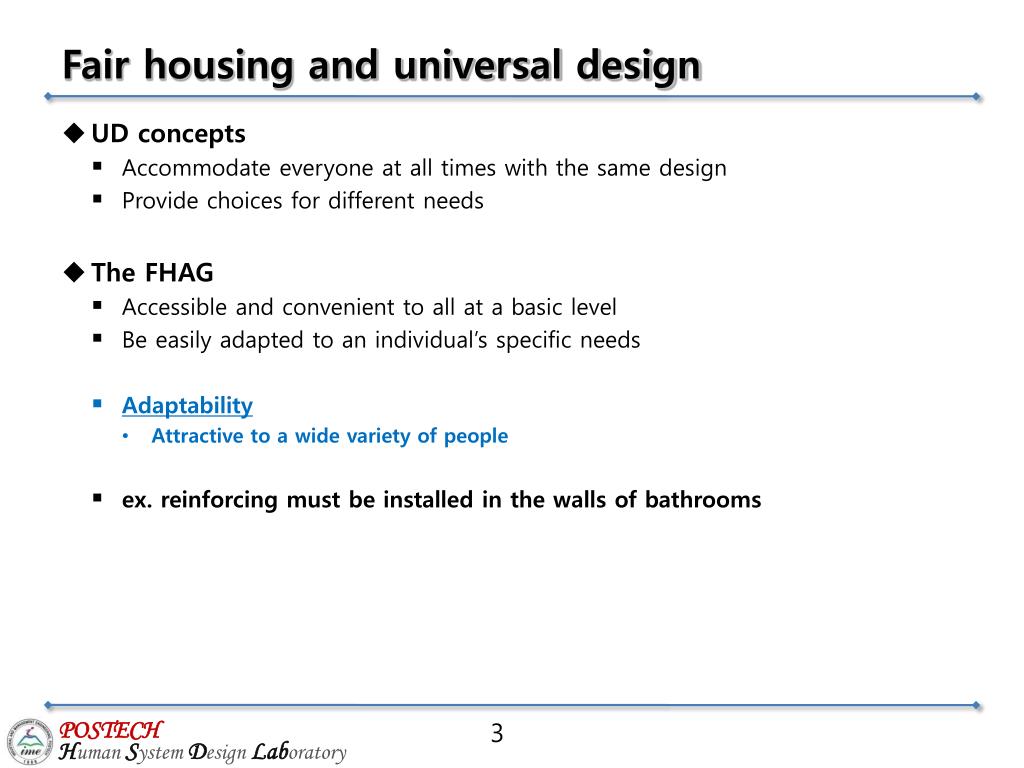
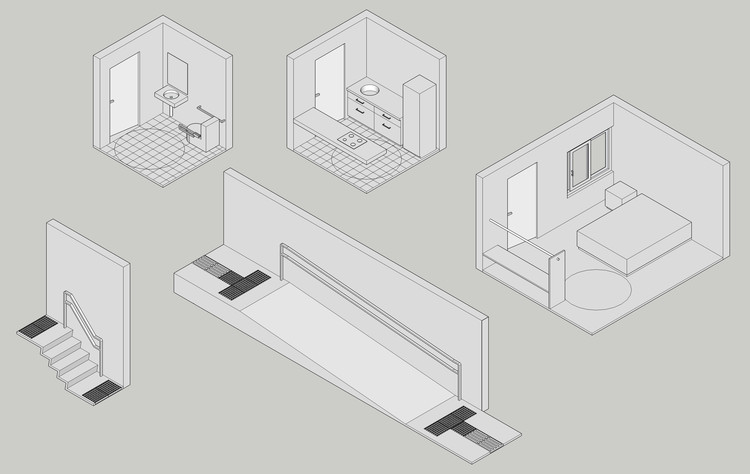
This guide covers those requirements and the universal design strategies that go beyond code minimums to create housing that works for everyone. Multi-family housing accessibility requirements differ depending on building type, number of stories, presence of an elevator, and funding source.
Universal Accessibility In Multifamily Housing
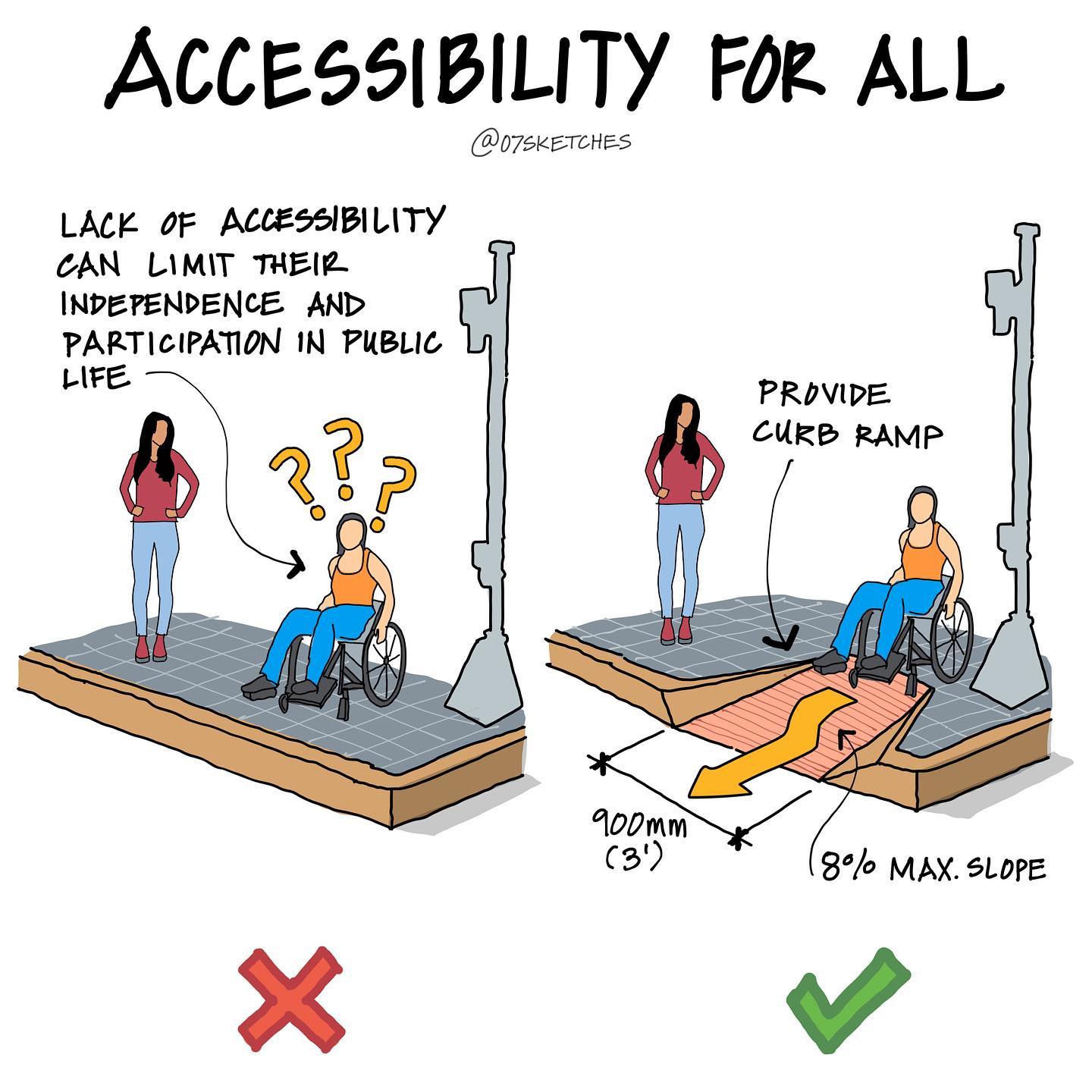
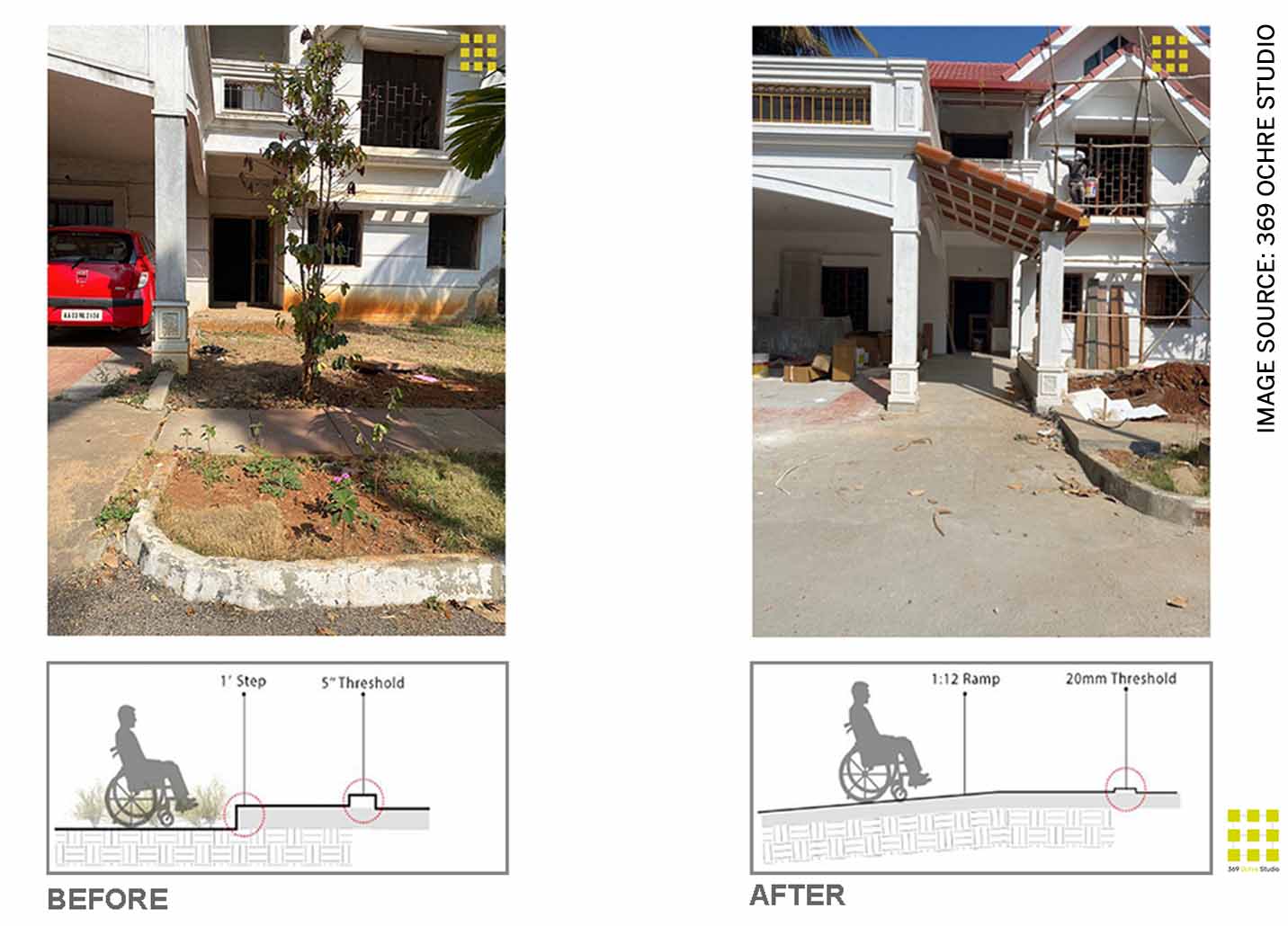
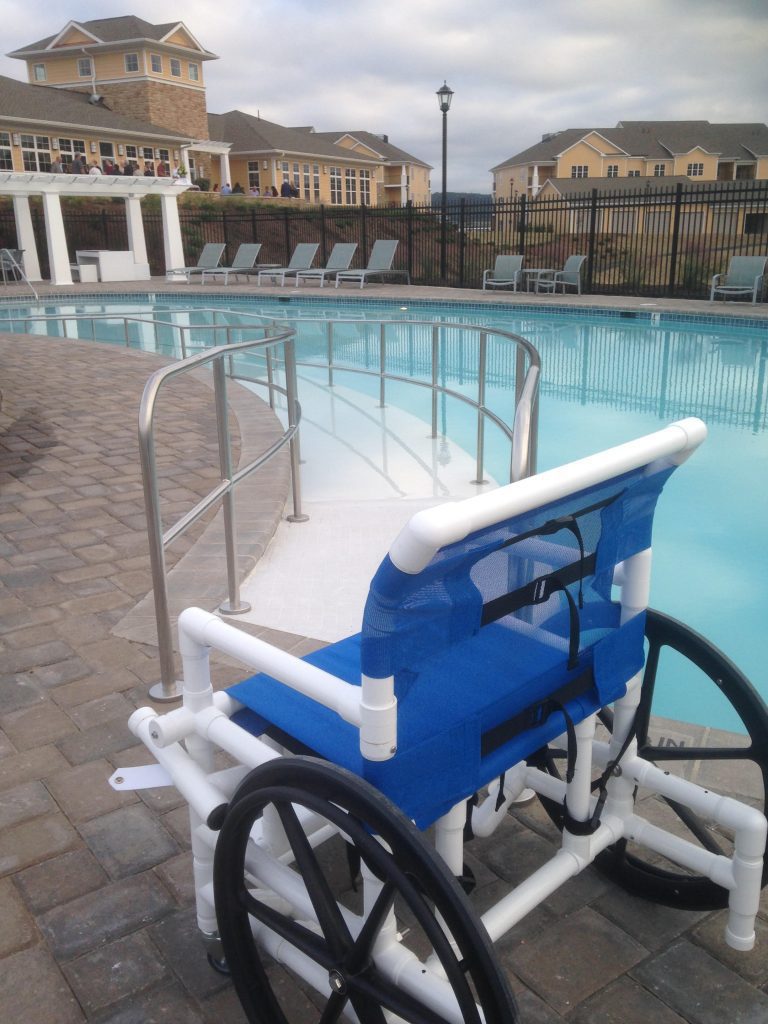
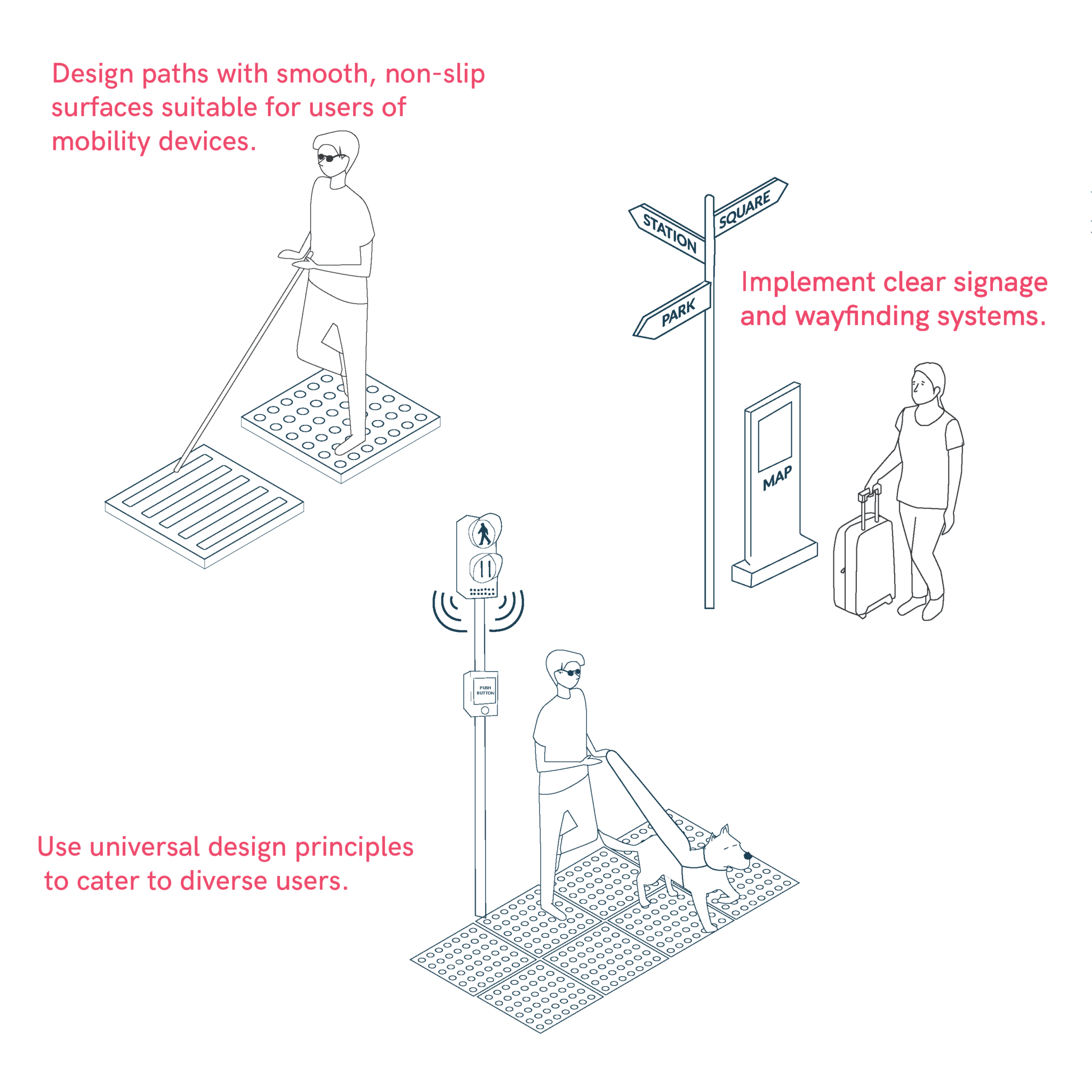
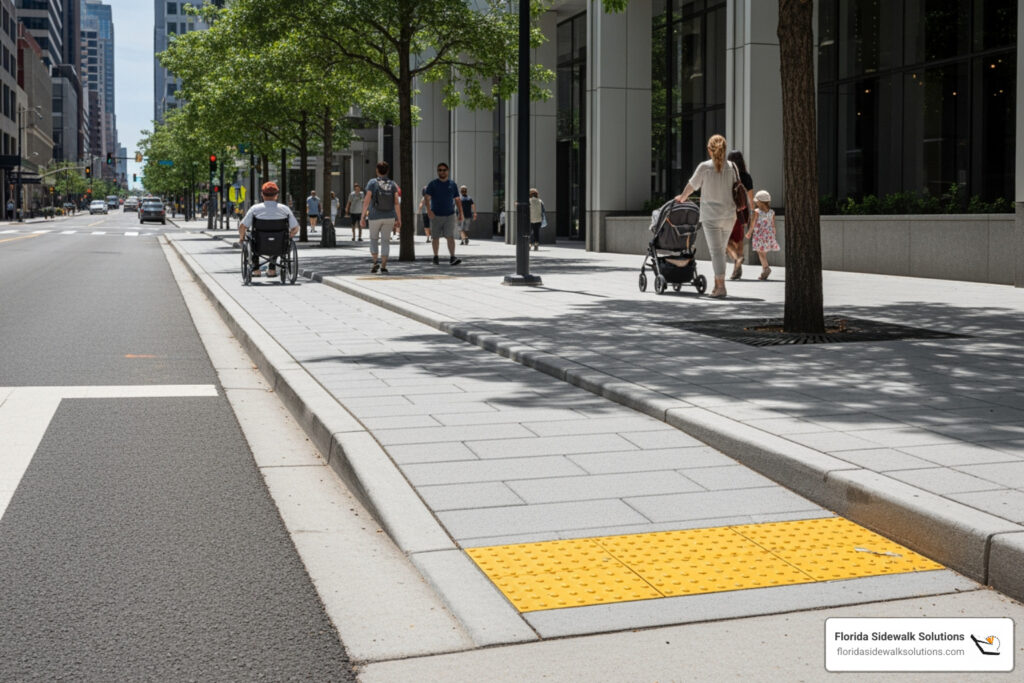
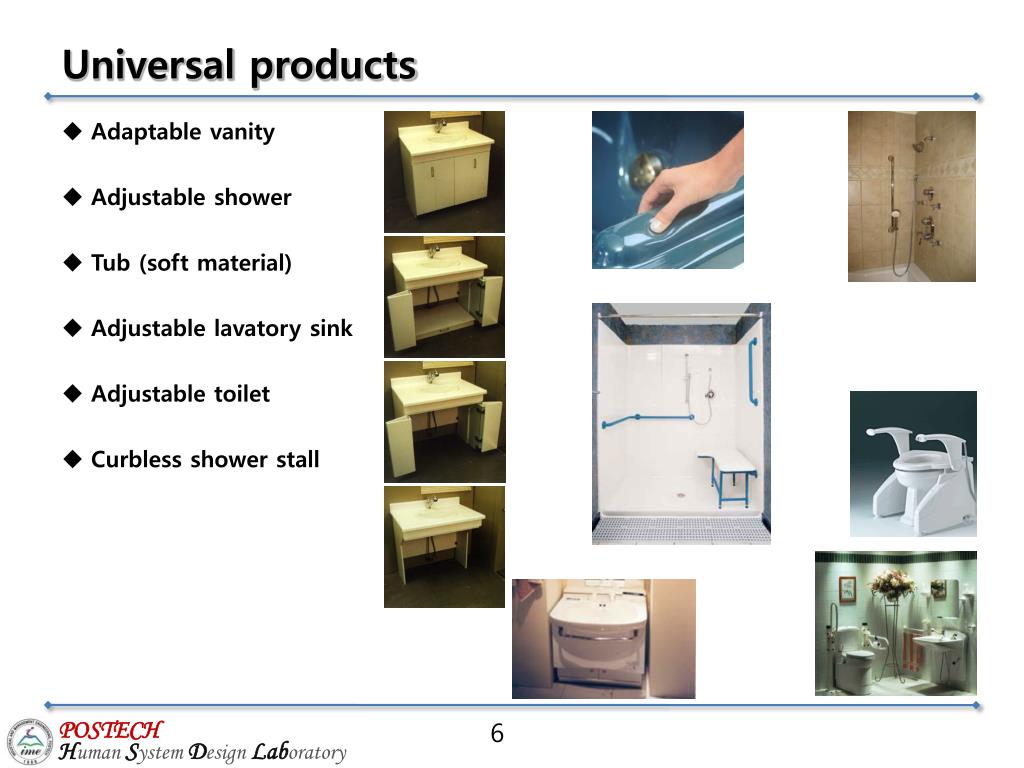
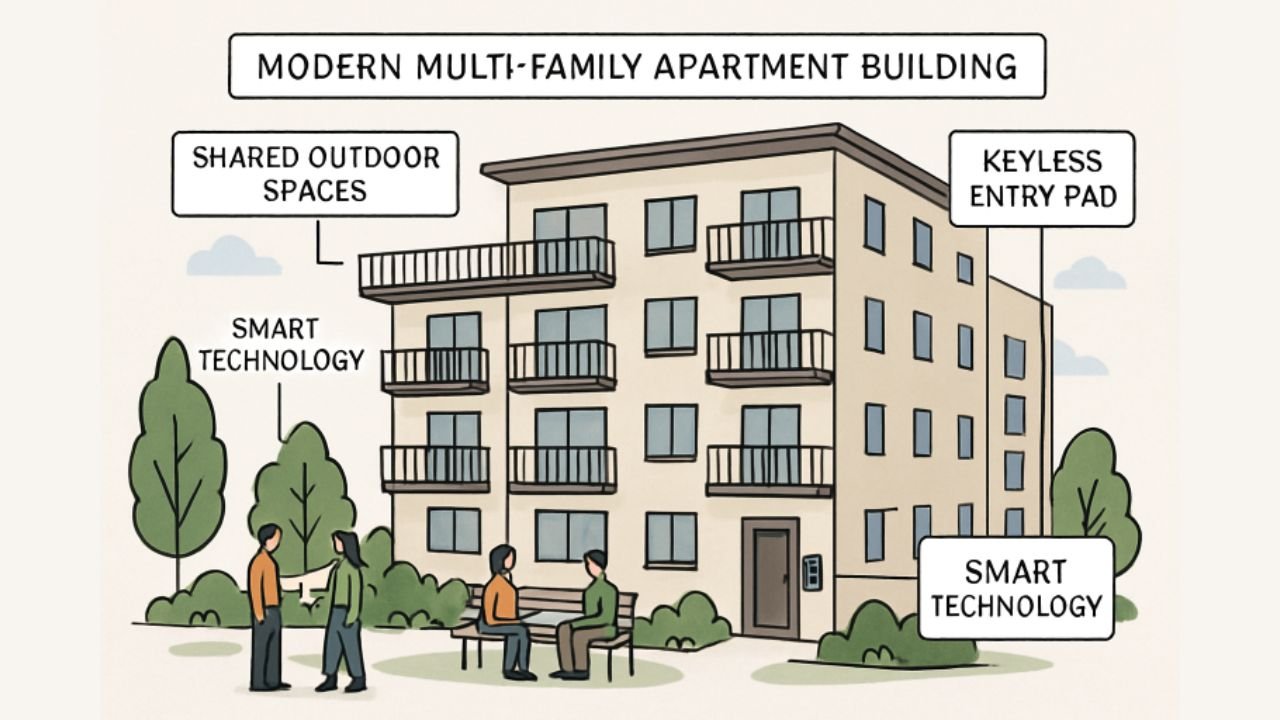
Understanding Accessibility in Multi-Family Housing Accessibility in multi-family housing isn't just about adding ramps and elevators; it includes a holistic approach to design that considers mobility, sensory, and cognitive needs of residents. By integrating universal design principles, architects and engineers can promote independence and inclusivity. This section sets the stage by ...
Universal Accessibility In Multifamily Housing
The SAHT Universal Design Standards are designed to work in concert with the requirements of the American Disabilities Act, Section 504 of the Rehabilitation Act, the Fair Housing Act, the Texas Accessibility Standards, the Public Right of Way Accessibility Guidelines, local code, and other similar laws and statutes.
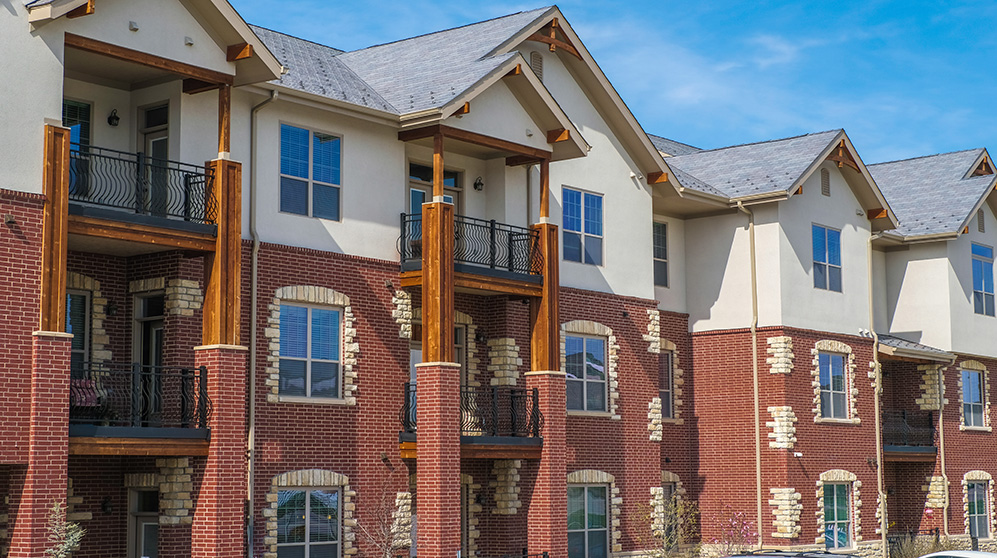
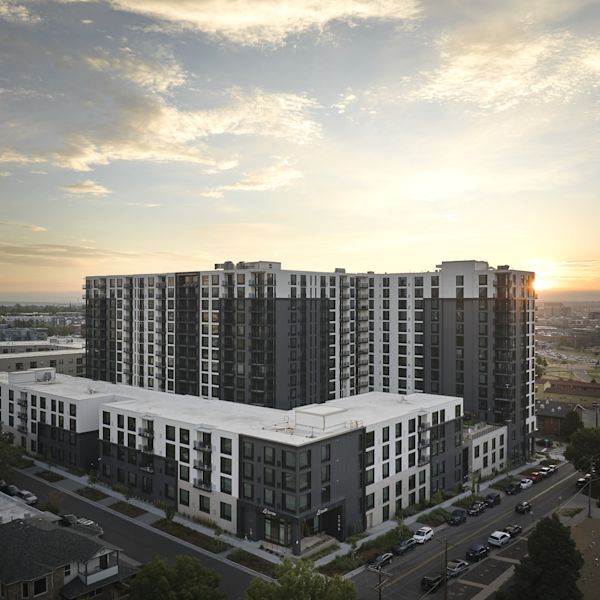
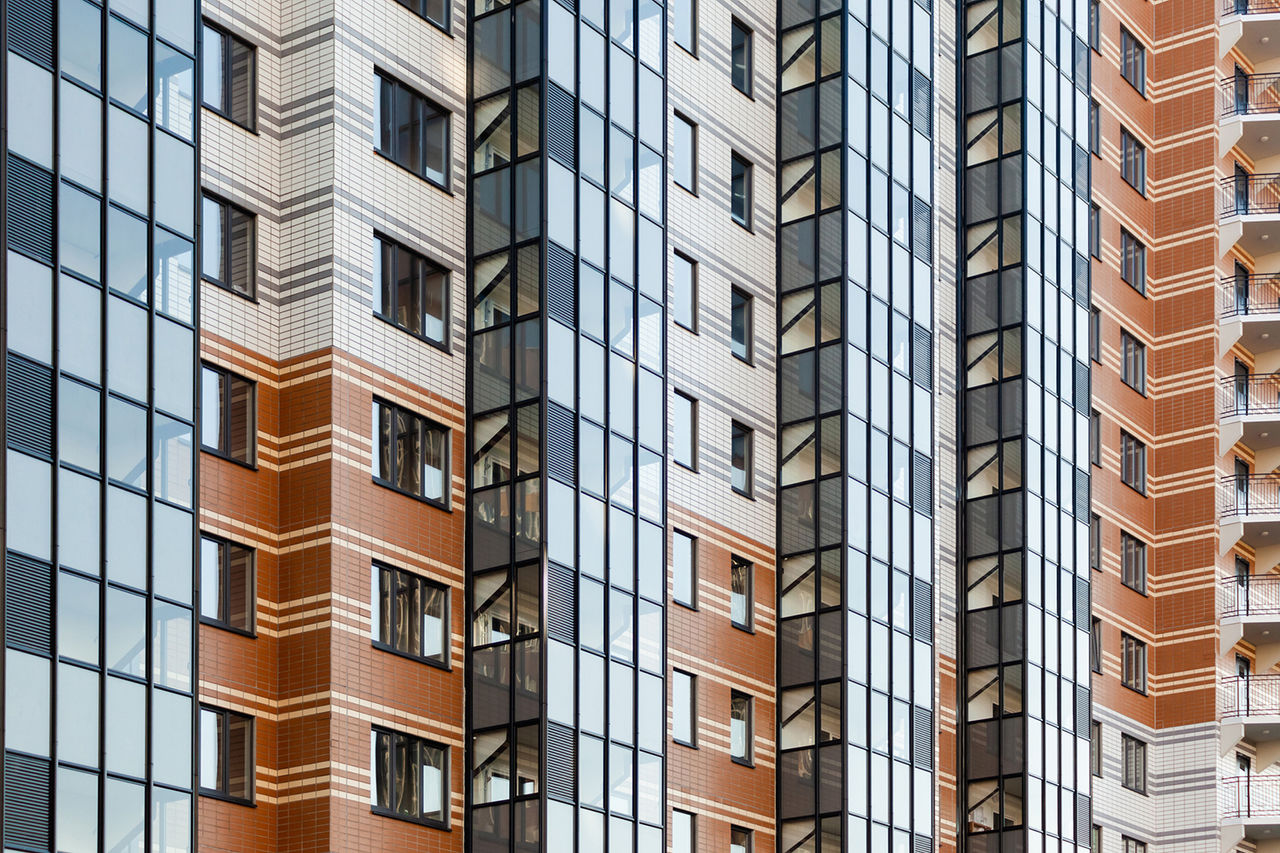
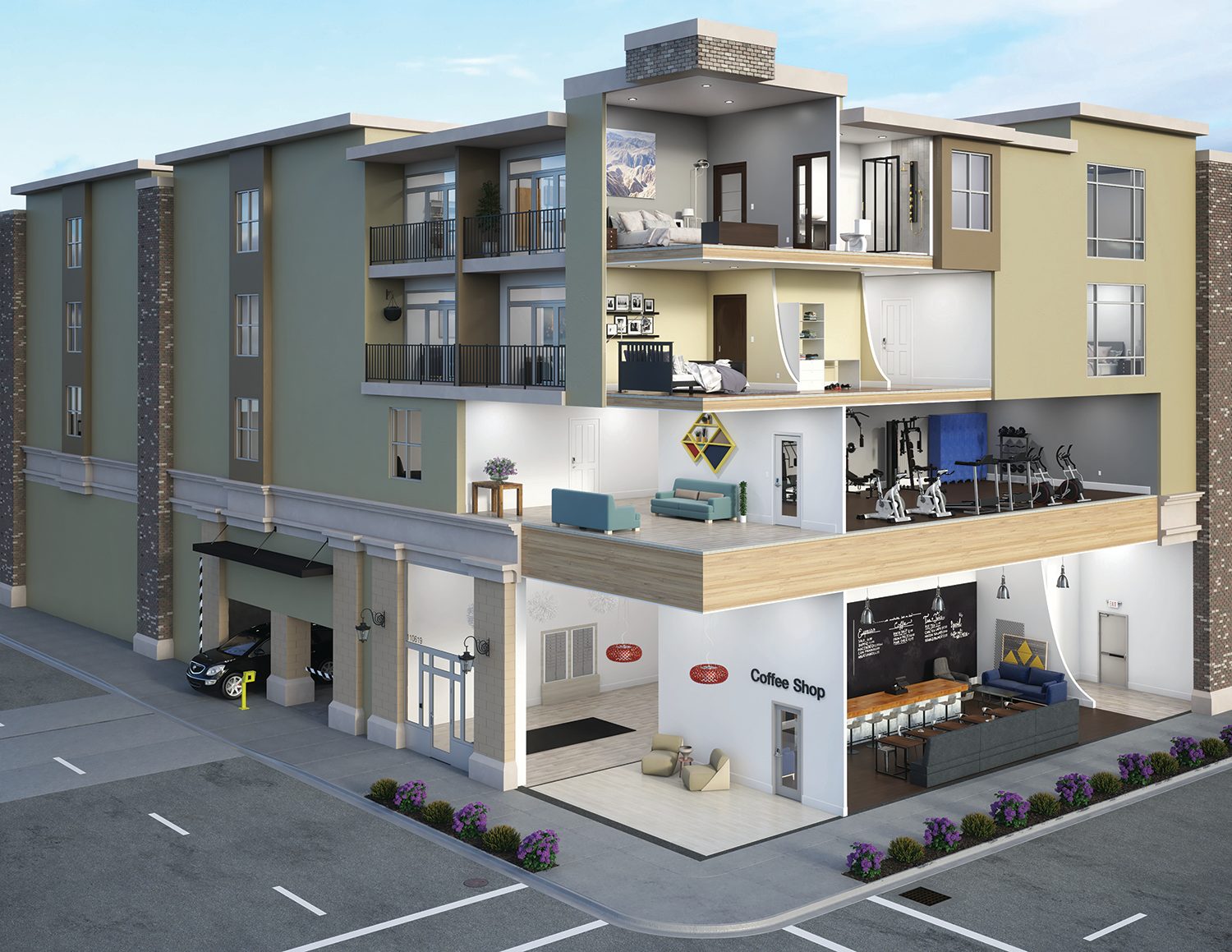
The demand for accessibility in multi-family housing developments is rising, reshaping how residential properties are designed and built. With changing demographics, evolving legal requirements, and a greater emphasis on inclusivity, developers who integrate universal design and ADA compliance are not only meeting legal standards but also gaining a competitive edge in the market. Modern ...




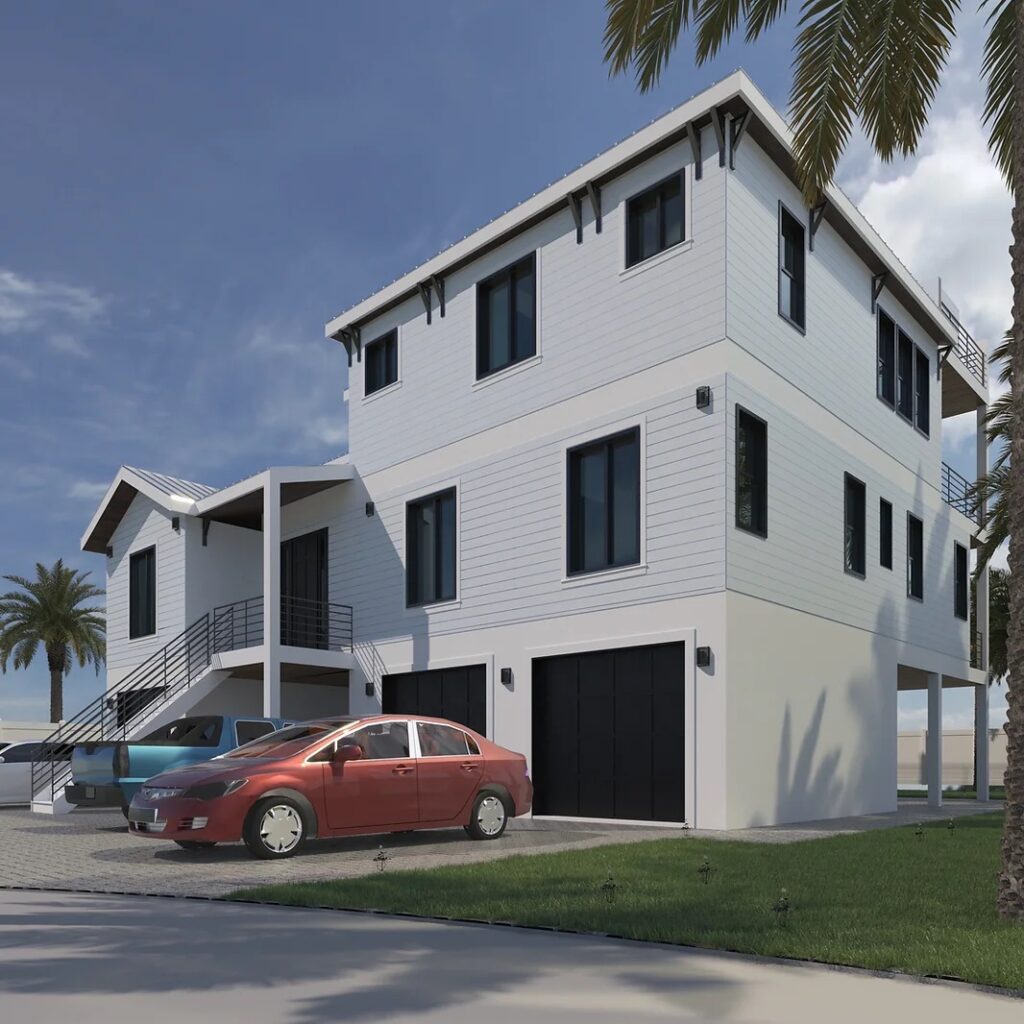
.jpg_10.jpeg "Universal Design Principles For An Accessible Home | Palmetto ...")