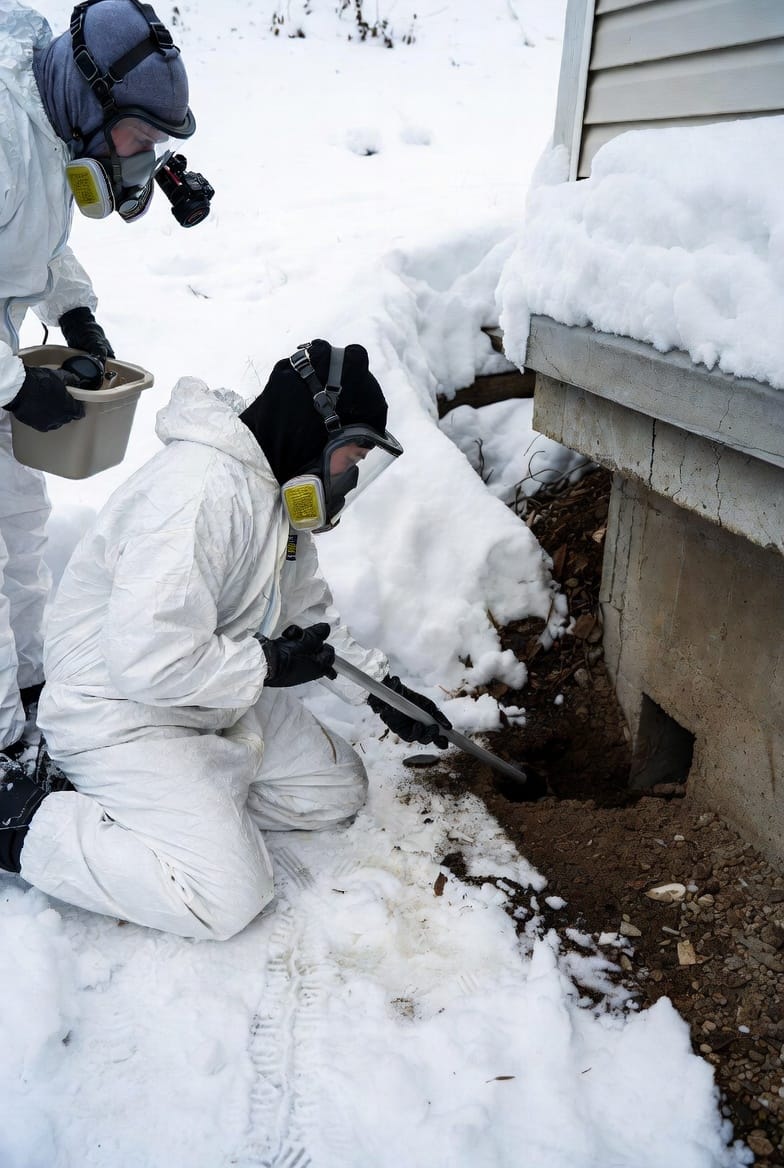
A Visual Journey and Ultimate Guide to Rehoming For Safety Snake Hibernation
Rattlesnake Hibernation
Why Understanding Their Habits Matters For homeowners in snake country and outdoor enthusiasts who hike, camp, or work in their habitats, understanding rattlesnake brumation is more than a biological curiosity—it's a cornerstone of safety . Knowing when and where rattlesnakes are likely to be active or denning can significantly reduce the chances of a negative encounter. It informs us when to ...
Rehoming For Safety Snake Hibernation
This particular example perfectly highlights why Rehoming For Safety Snake Hibernation is so captivating.
Understanding Snake Behavior in Cold Weather
Rehoming For Safety Snake Hibernation
Ectoherms in the Cold: What is Brumation? Snakes are ectotherms (cold-blooded) animals, which means they rely on outside heat to regulate body temperature to survive. In fall and winter of the Northern Hemisphere, many reptiles enter brumation. This is a reptile's version of dormancy. It is similar to hibernation ; reptiles reduce their activity, metabolism, and slow their breathing to ...
In winter months in colder climates, snakes go into either hibernation -like dormant state that's technically called brumation. They use cues such as number of hours of daylight, humidity, and barometric pressure to know when it's time to enter snake hibernation . Snake hibernation is a state of deep sleep where an animal conserves its energy by slowing down the metabolic rate, heart rate ...