Understanding the Risks of Dogs Eating Grapes
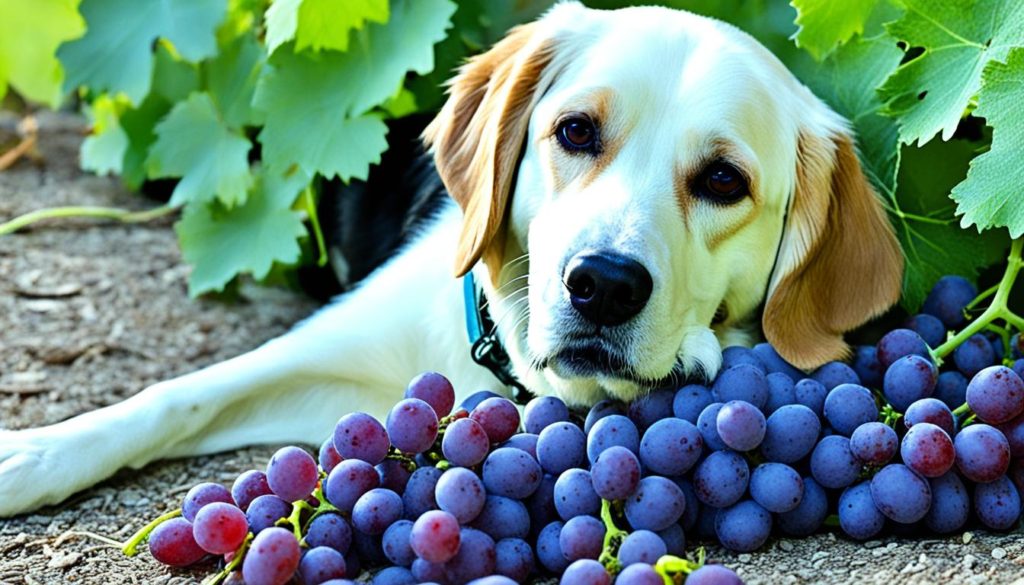
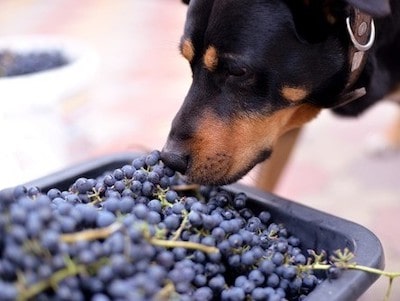
Overview Grape and raisin toxicosis happen when a dog ingests fruits from the Vitis genus. Eating grapes , raisins, Zante currants, or sultanas can cause acute kidney injury (AKI) in dogs . The exact amount of fruit that causes toxicity is unknown, and some dogs may become sicker than others. Since it's impossible to predict which dog will be affected or how much fruit will cause signs of ...

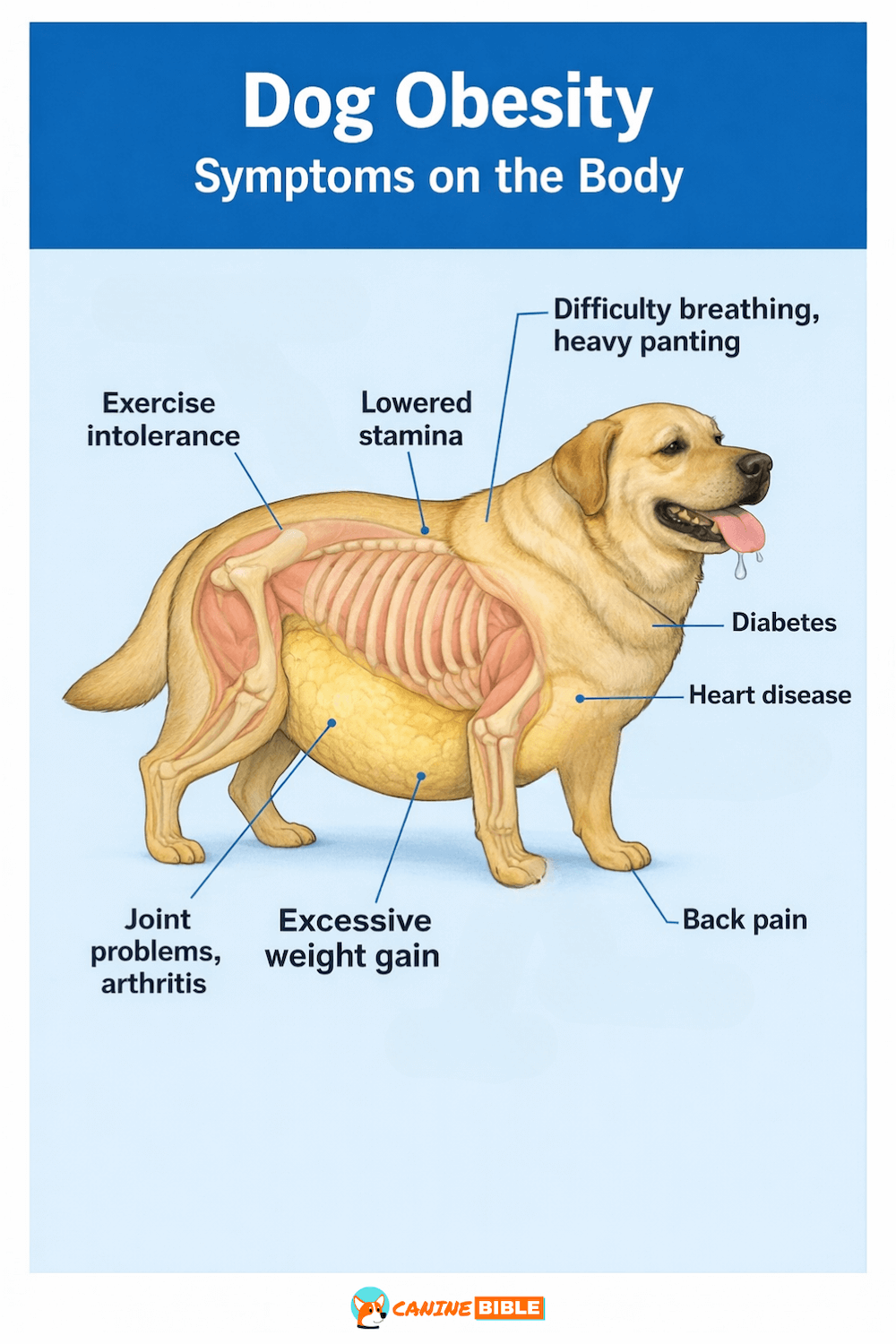
Moving forward, it's essential to keep these visual contexts in mind when discussing Obesity In Dogs And Grape Consumption.
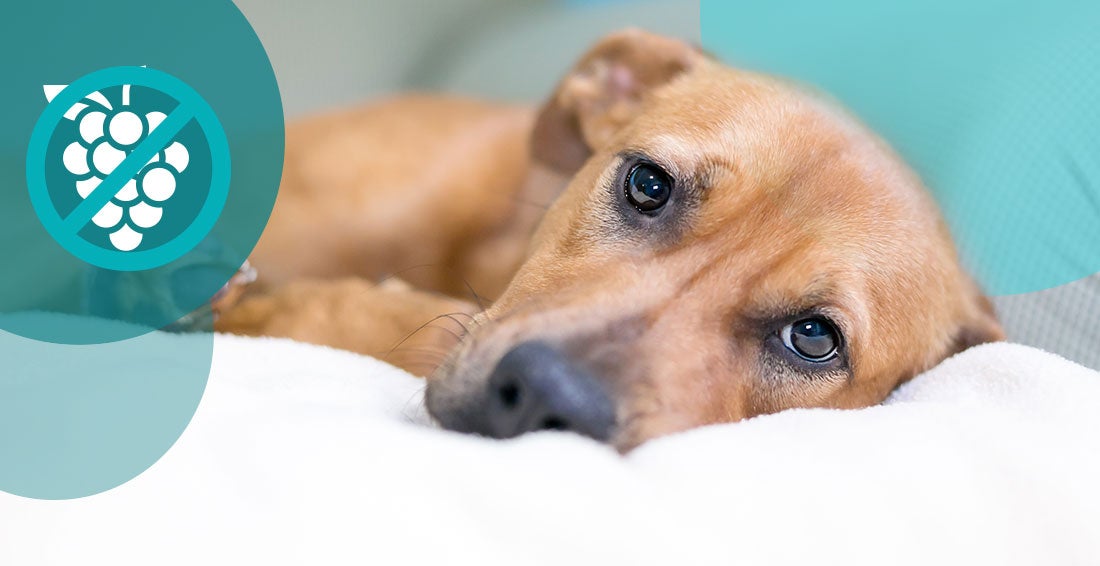
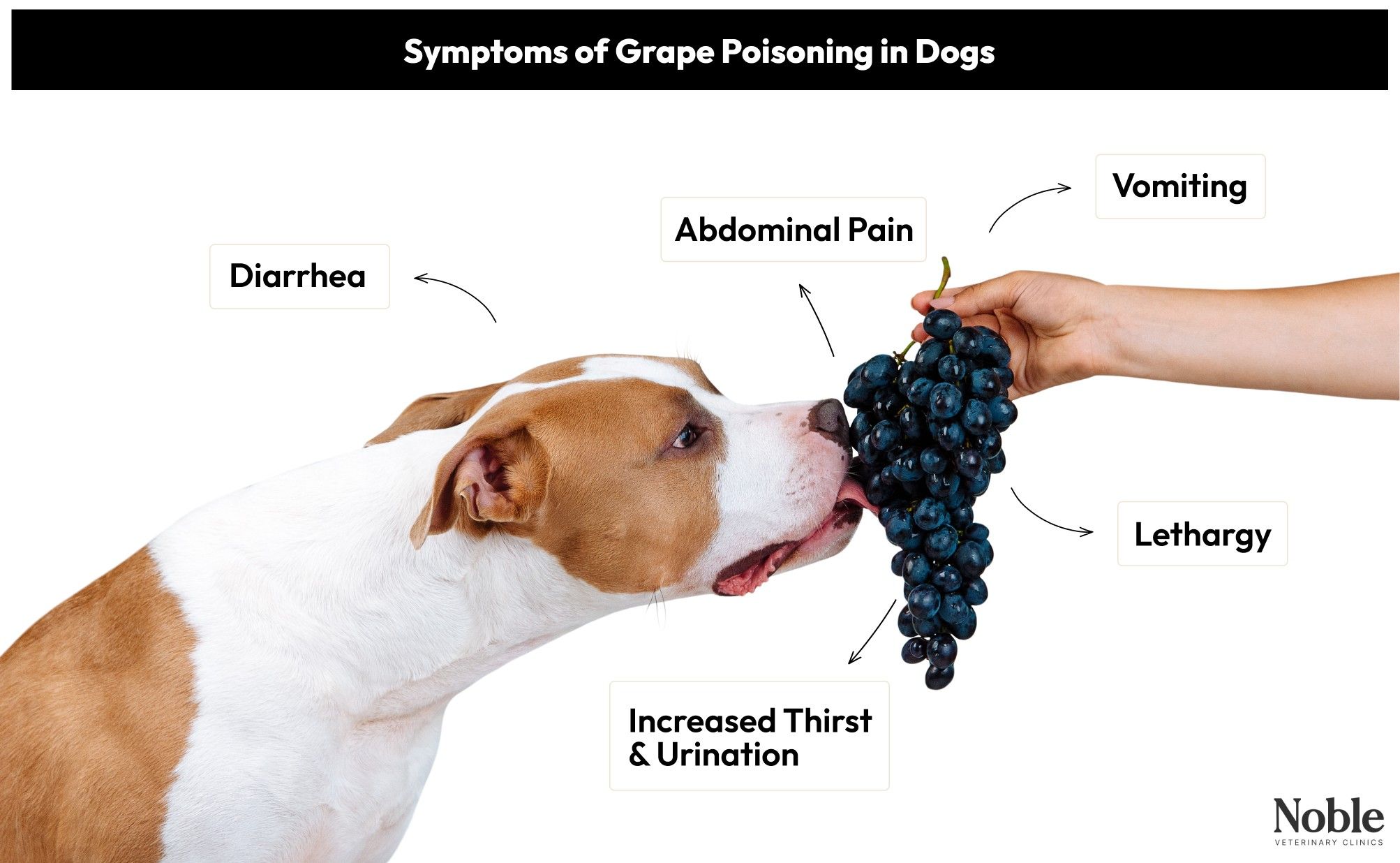
Most dogs with grape , raisin, or tamarind toxicosis develop vomiting or diarrhea within 6-12 hours after ingestion. Other clinical signs include lethargy, anorexia, abdominal pain, weakness, dehydration, polydipsia, and tremors (shivering). Serum creatinine concentrations tend to rise prior to serum urea nitrogen concentrations, and elevations seen in the serum creatinine are ...

Such details provide a deeper understanding and appreciation for Obesity In Dogs And Grape Consumption.
INTRODUCTION Vitis vinifera fruit toxicity in dogs Multiple varieties of Vitis vinifera fruit (VVF) have been reported as toxic in dogs . This includes grapes , 1 dried grapes (currants, raisins) 2, 3 and processed grape products such as grape marc. 4 The toxic component of VVF is currently unknown; hypotheses include possible contamination of the grape with heavy metals, pesticides or other ...
Furthermore, visual representations like the one above help us fully grasp the concept of Obesity In Dogs And Grape Consumption.