In-Depth Look: The World of Mathematical Knot Symmetries
A CLASSIFICATION OF SYMMETRIES OF KNOTS
Our classification immediately implies a previous result of Sakuma: a hyperbolic knot cannot be both freely periodic and amphichiral. In passing, we establish two technical results: one concerning finite cyclic or dihedral subgroups of isometries of the 3-sphere and another concerning linking numbers of symmetric knots .
Mathematical Knot Symmetries
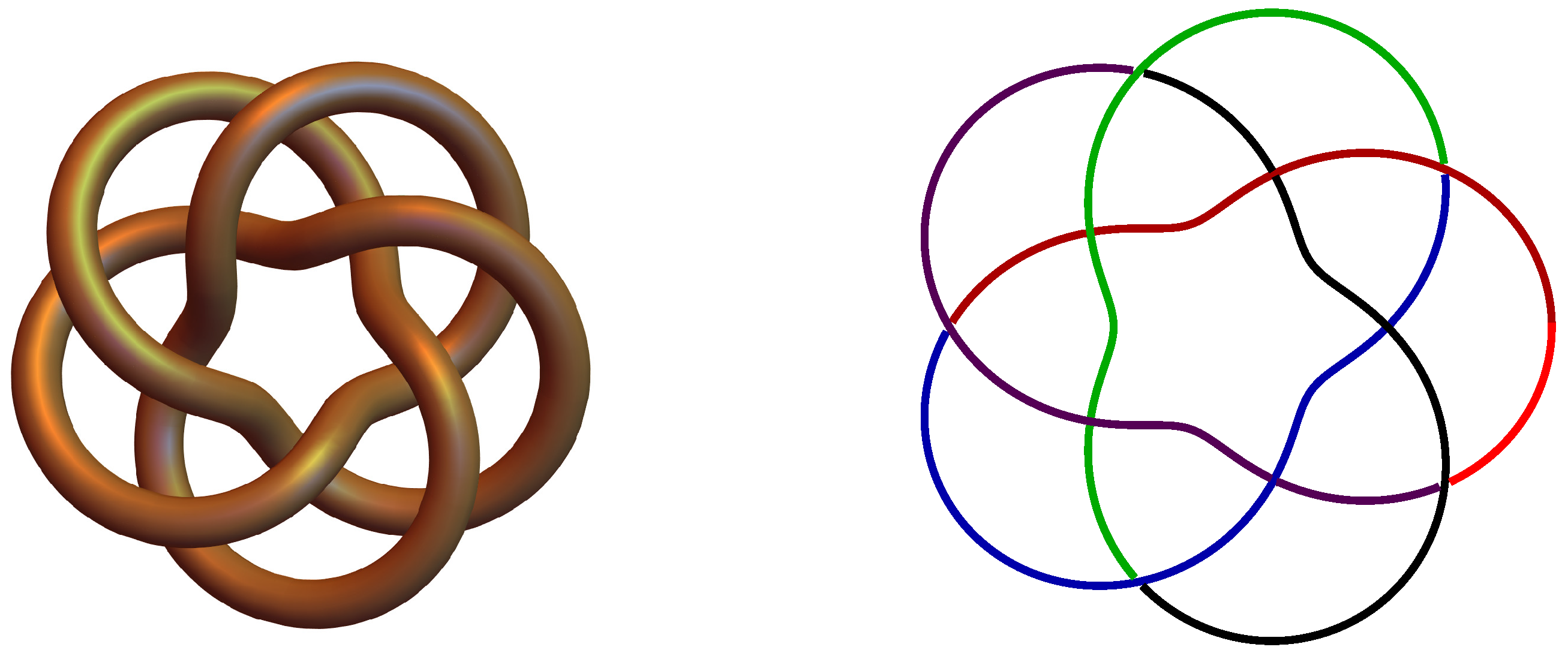
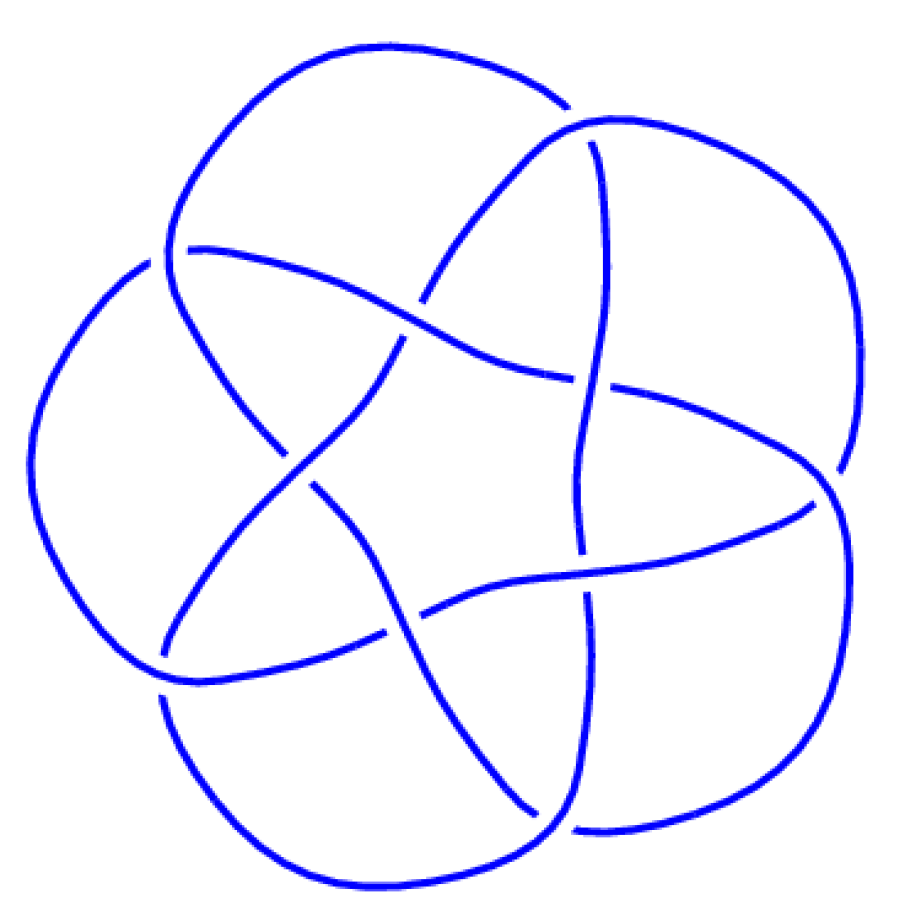
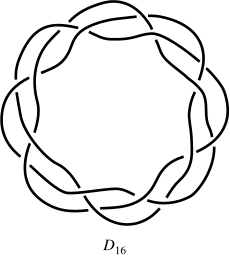
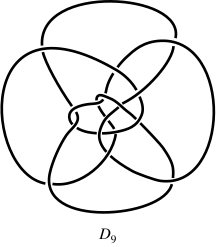
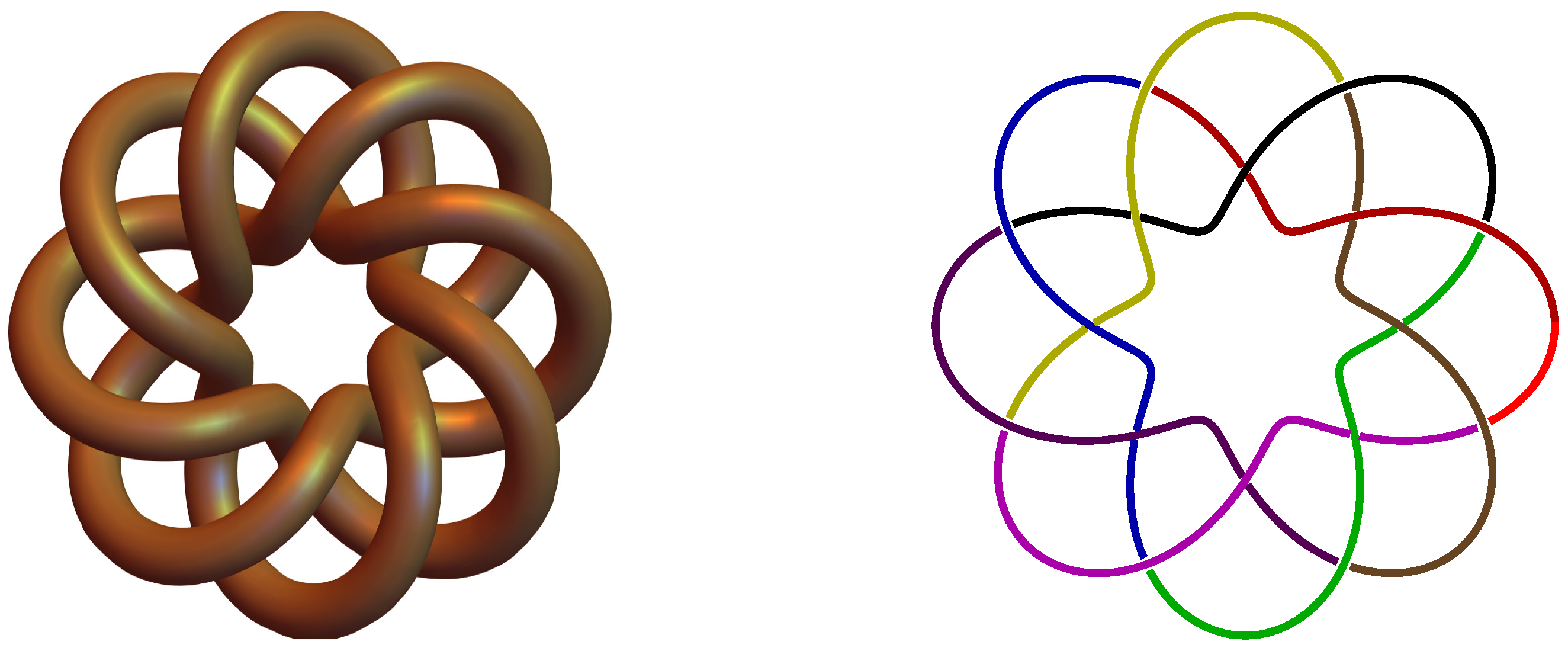
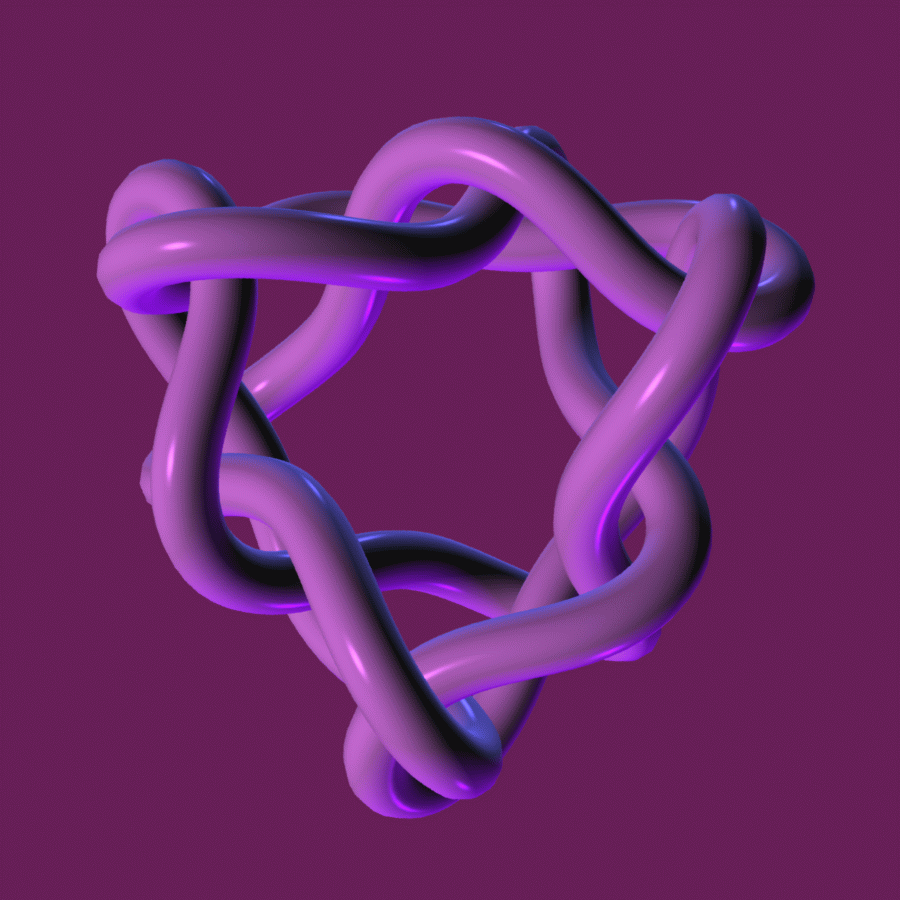
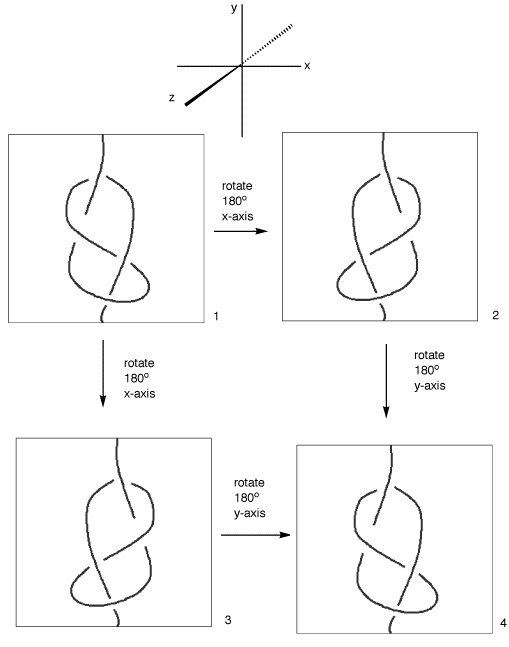
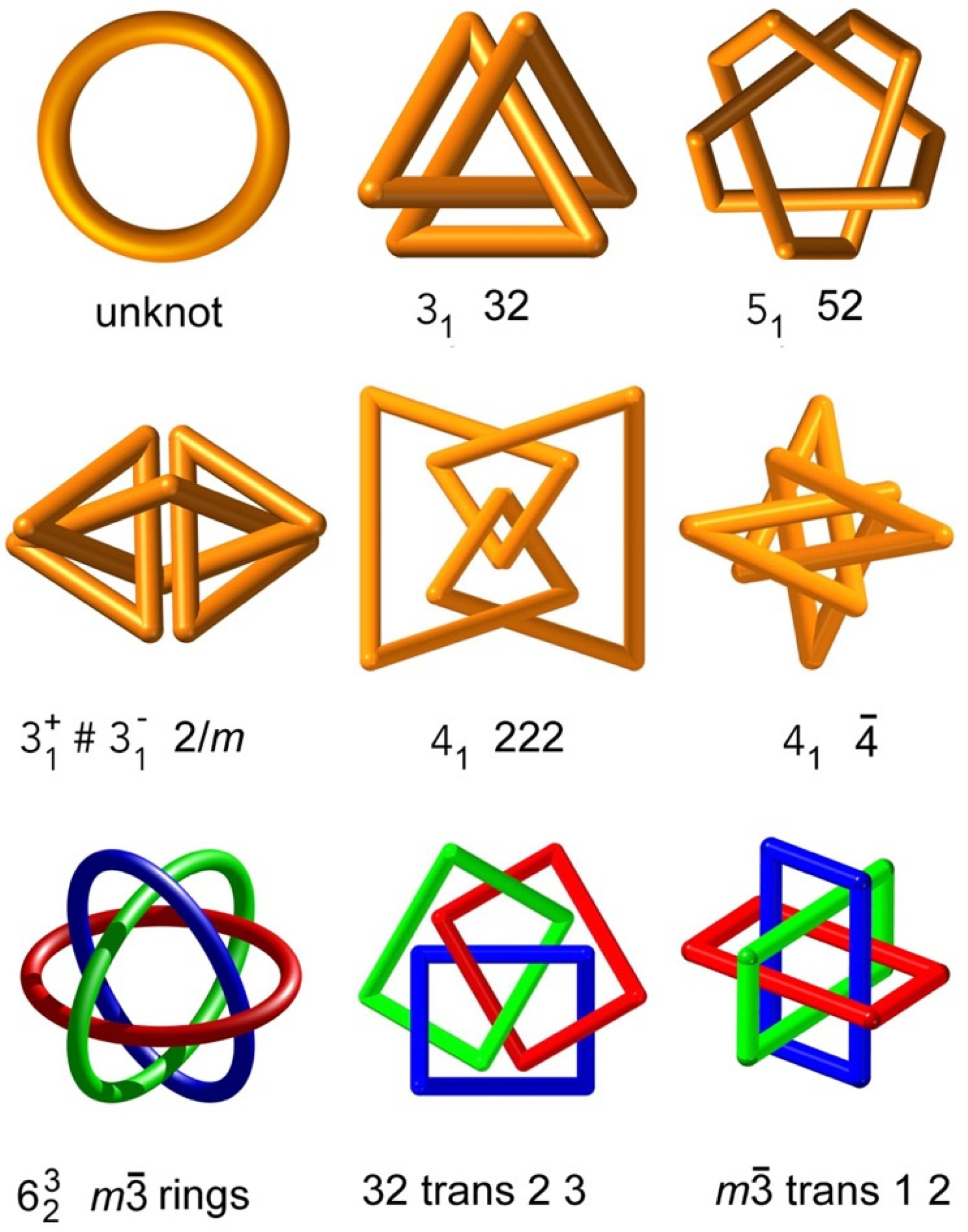
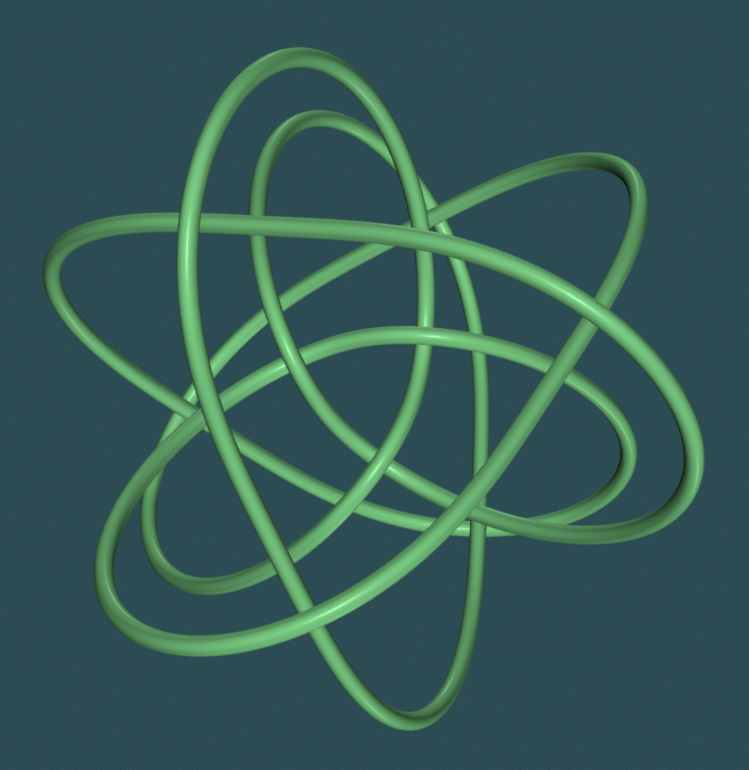
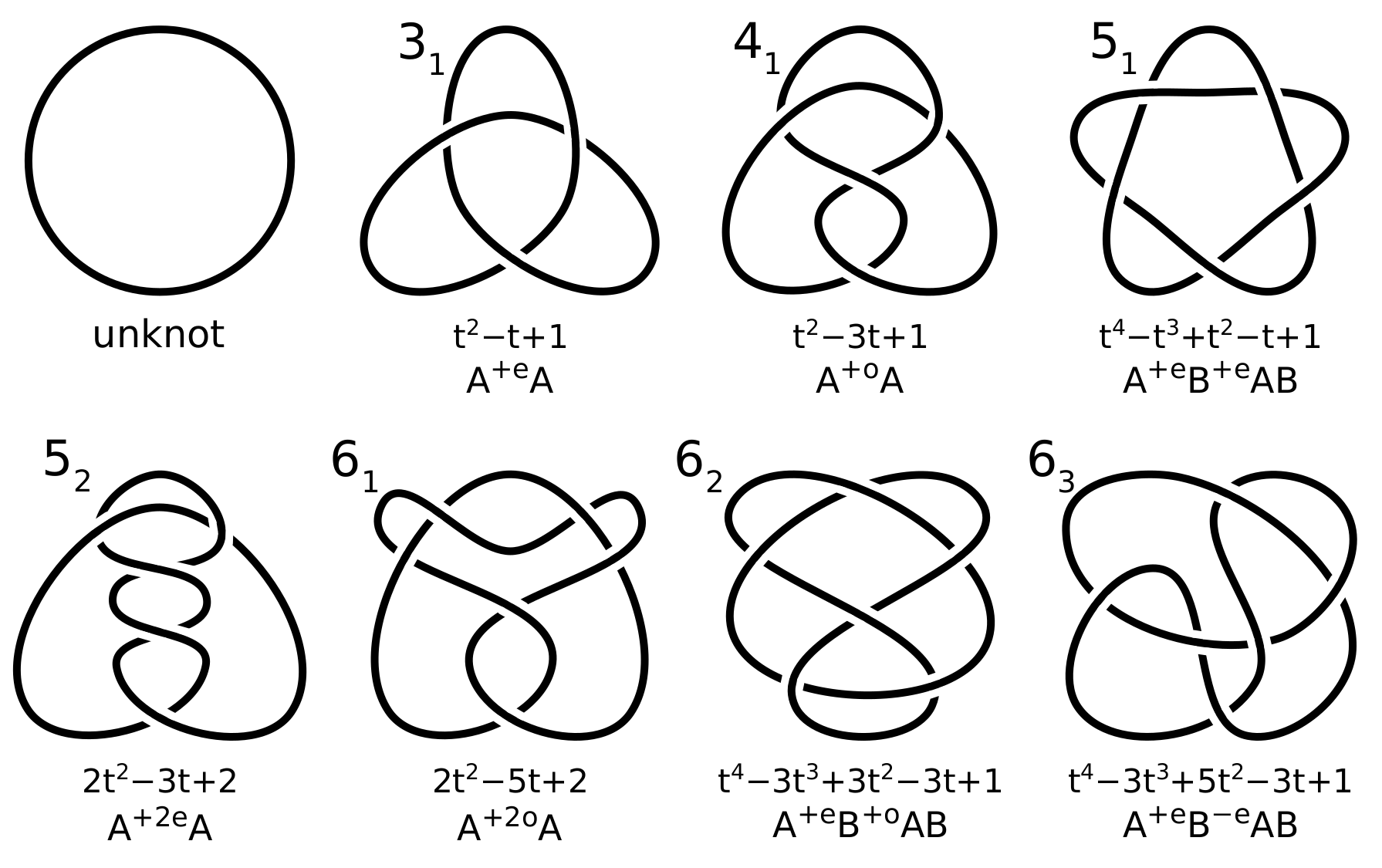
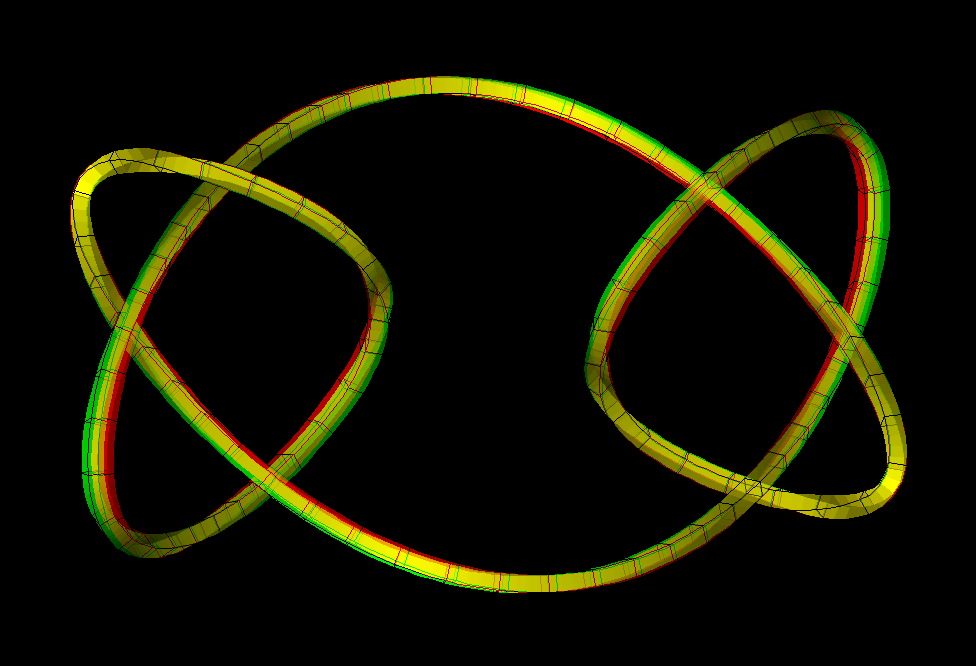
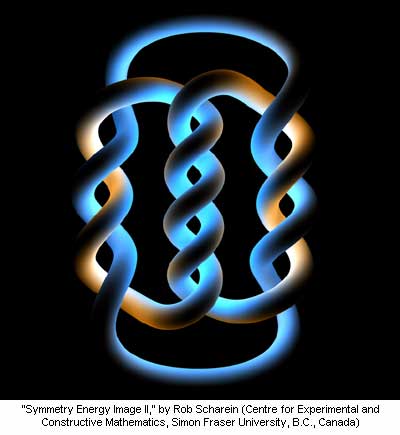
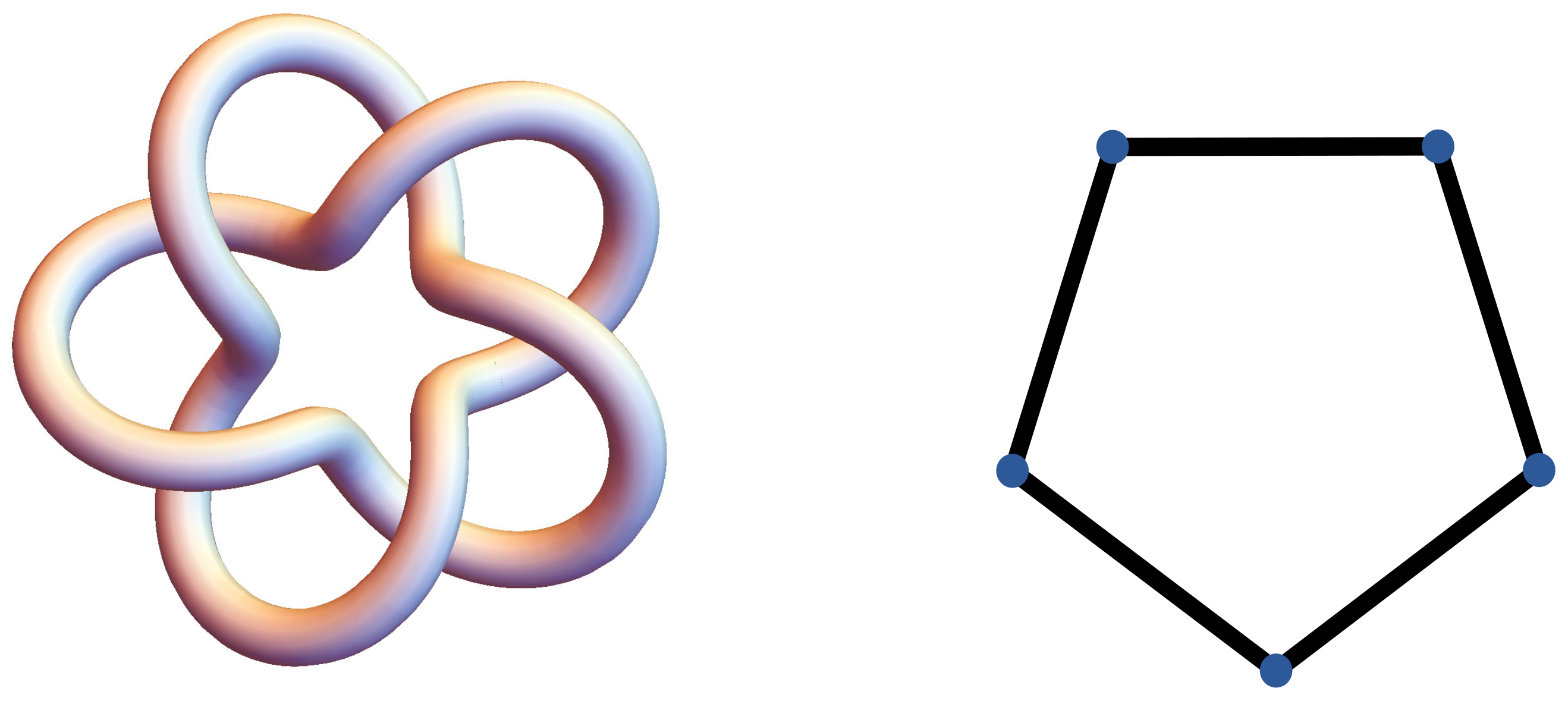
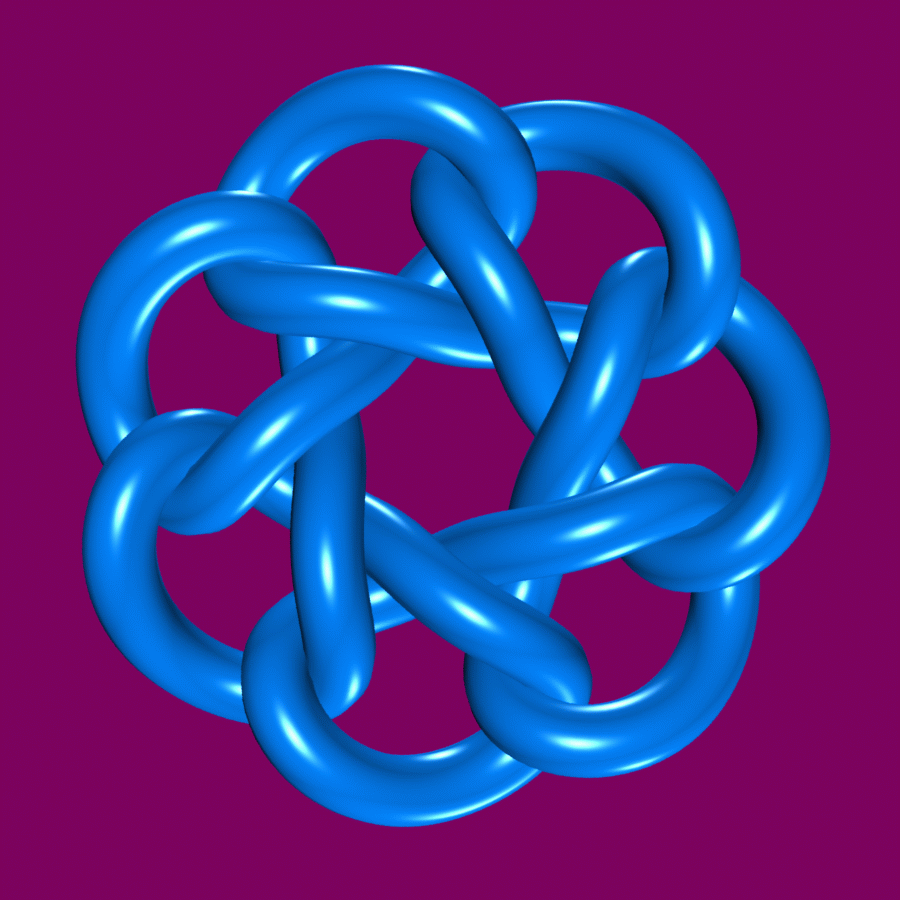
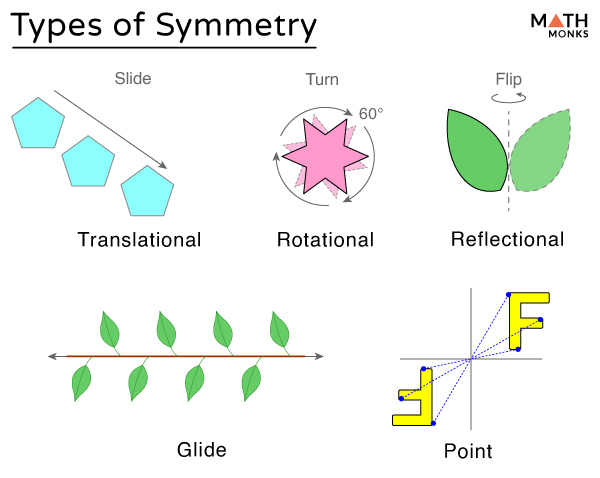
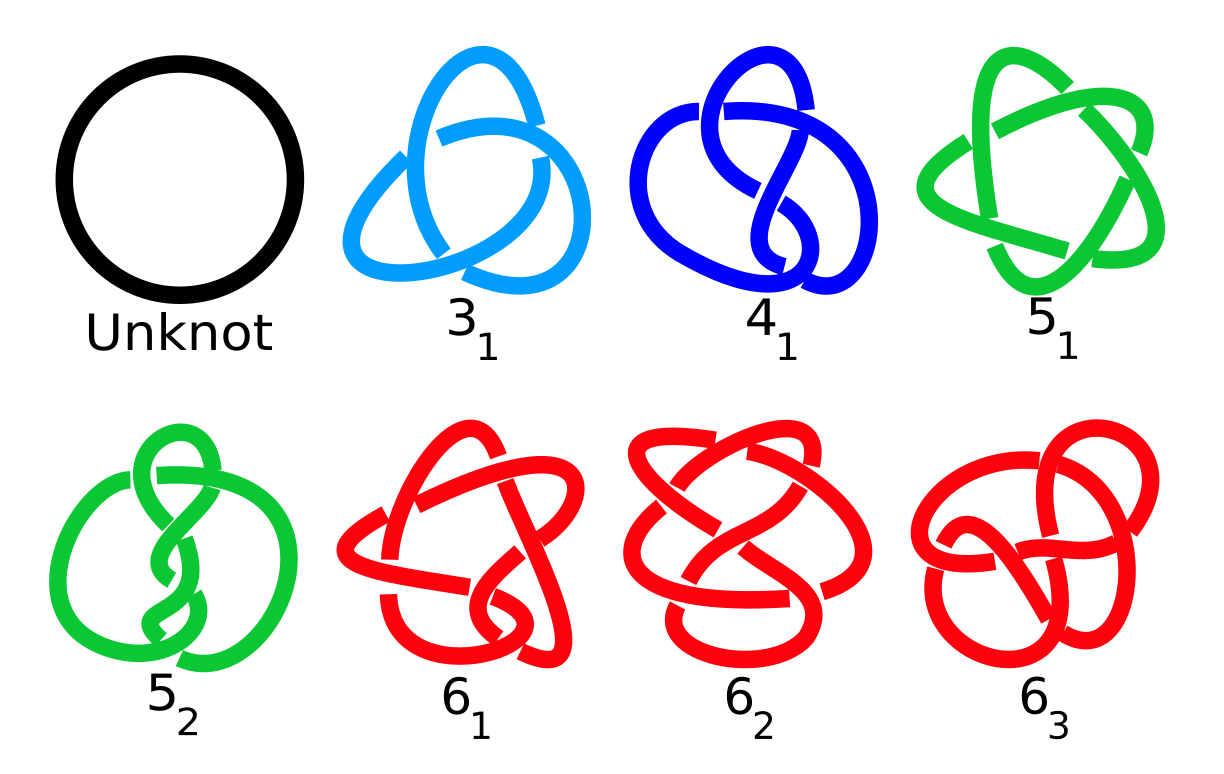
Introduction The type of geometrical symmetries that prime knots can assume is very limited (e.g. these knots cannot exhibit simple mirror symmetry). Their symmetries are limited to just three families of symmetry groups: "Cn" (Schoenfliess notation [8]) or "nn" (Conway's Orbifold notation [7]) exhibits a single n-fold rotational symmetry axis; "Dn" or "nnn" has the same type ...
Mathematical Knot Symmetries
This particular example perfectly highlights why Mathematical Knot Symmetries is so captivating.
PDF Applications of Knot Theory, Volume 66
Mathematical Knot Symmetries
This review paper investigates the relationship between symmetries of knots and links in the three-dimensional sphere, with a focus on cyclic symmetries , and their associated polynomial invariants. It examines the behavior of these polynomials in the case where the knot is set-wise fixed by the action of finite cyclic group on the 3-sphere. The study highlights how these invariants can ...