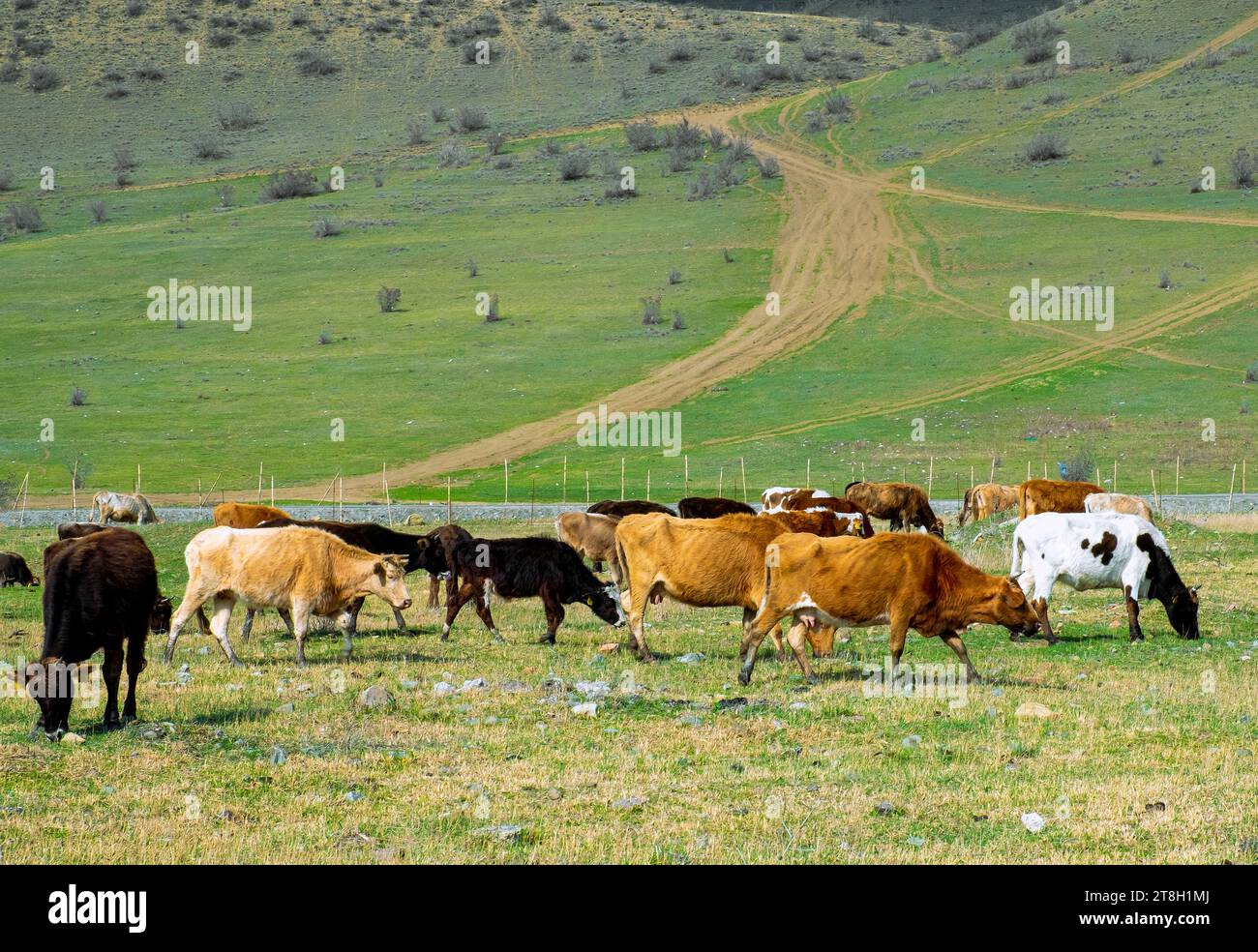
Unveiling the Magic of Grass Eating And Foot Problems In Livestock with Stunning Visuals
Make sure foot rot doesn't affect your bottom line
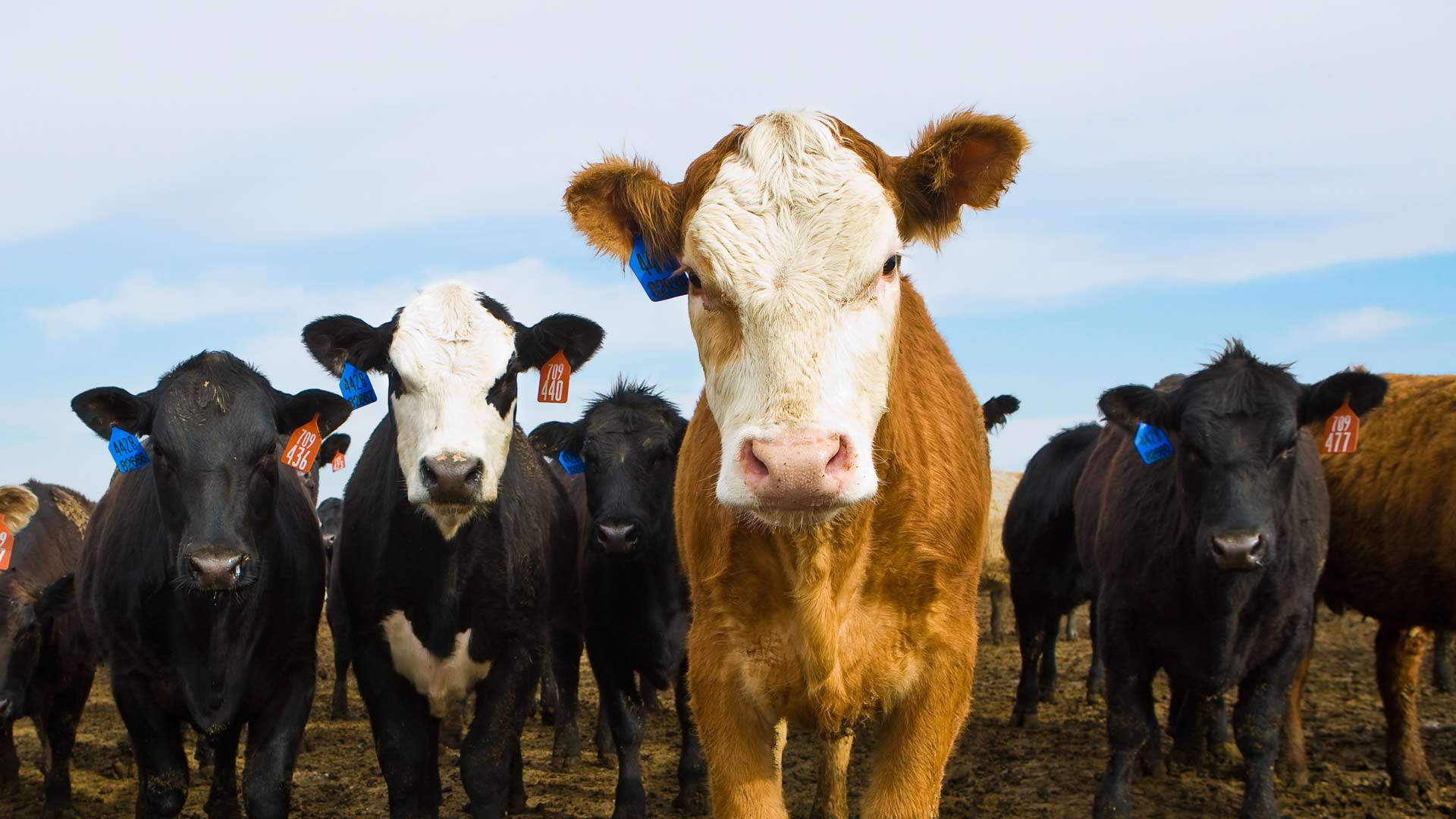
" Foot rot can lead to cattle lameness, resulting in lost performance and profitability for your cattle operation," says Patrick Davis, University of Missouri Extension livestock field specialist. Cattle spend time in the pond and streams to cool themselves during summer, which can lead to foot ...
Grass Eating And Foot Problems In Livestock
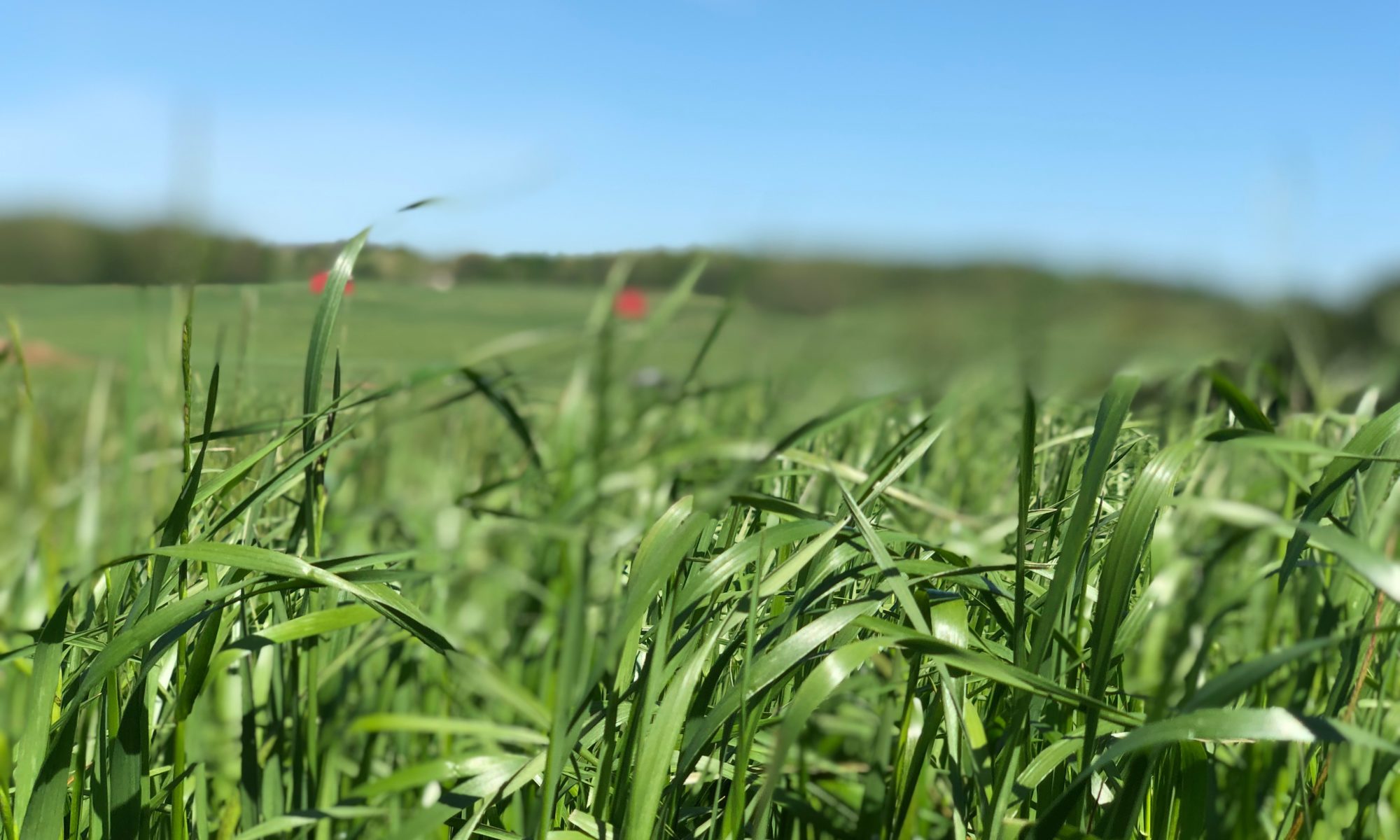
Often KY 31 tall fescue is the only grass that can survive and thrive in poor conditions or with poor grazing management. Importantly, the ergot alkaloids cause cattle to eat less, protecting tall fescue from overgrazing during its vulnerable decline in summer growth.
Grass Eating And Foot Problems In Livestock
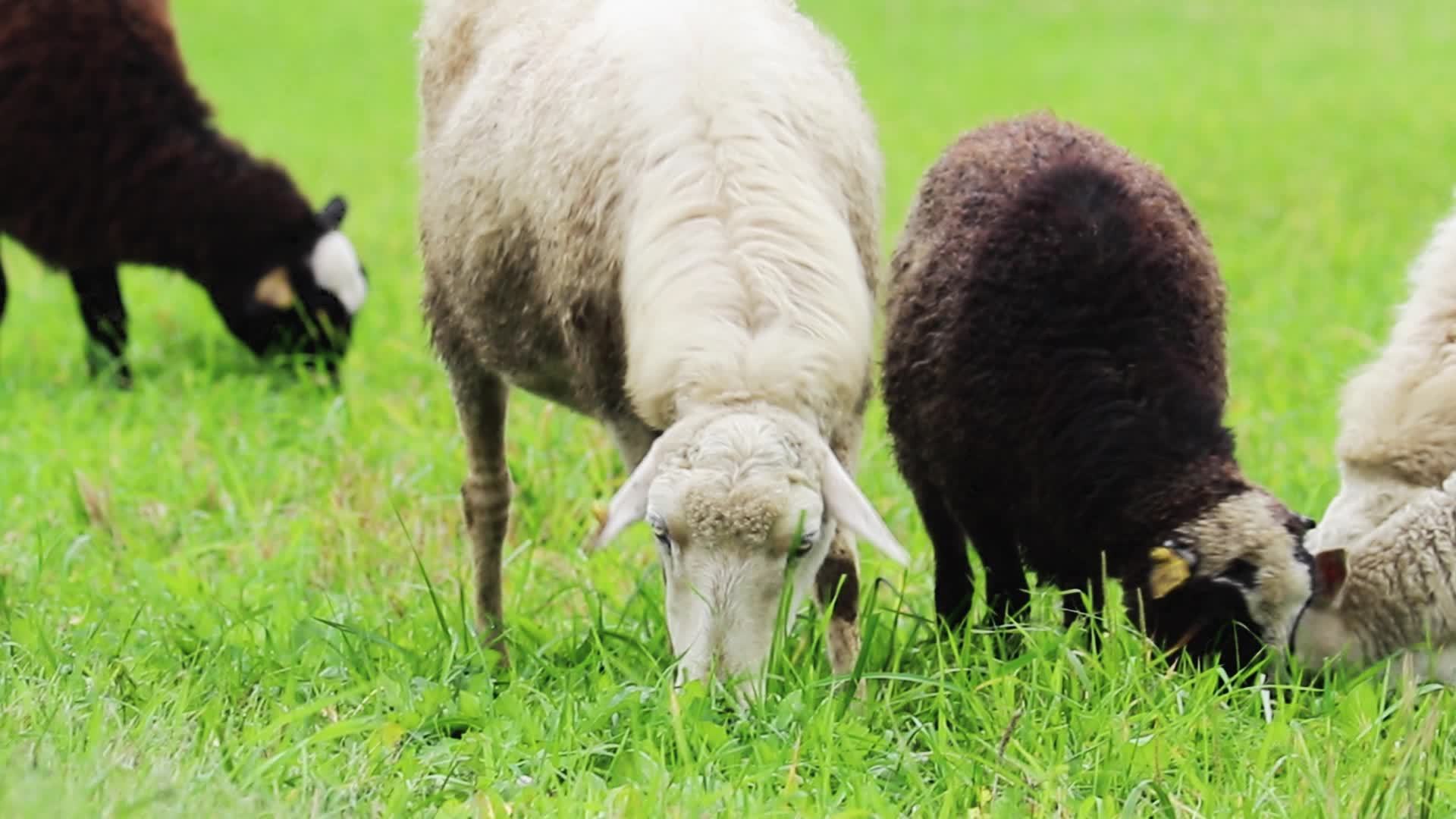
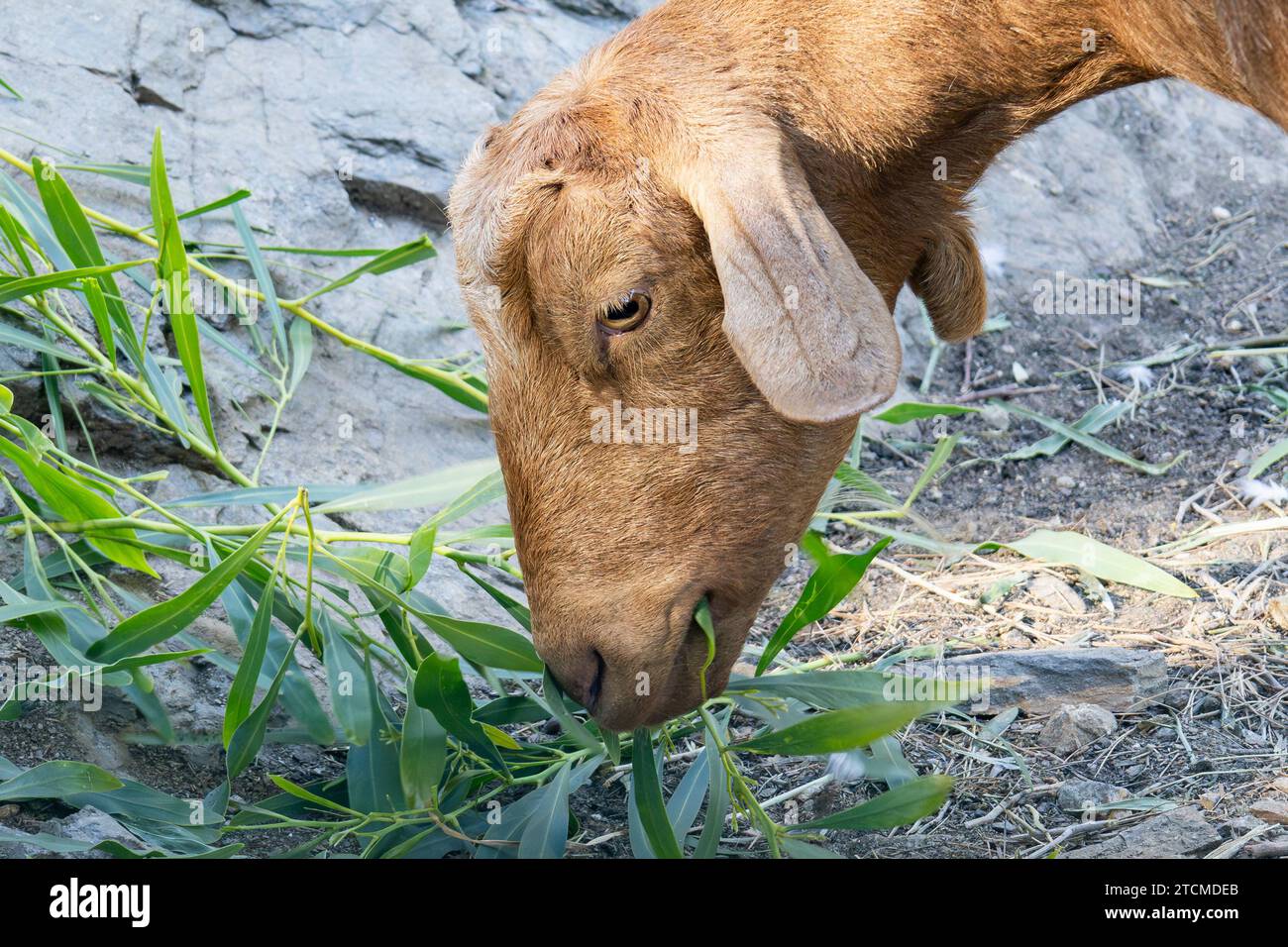
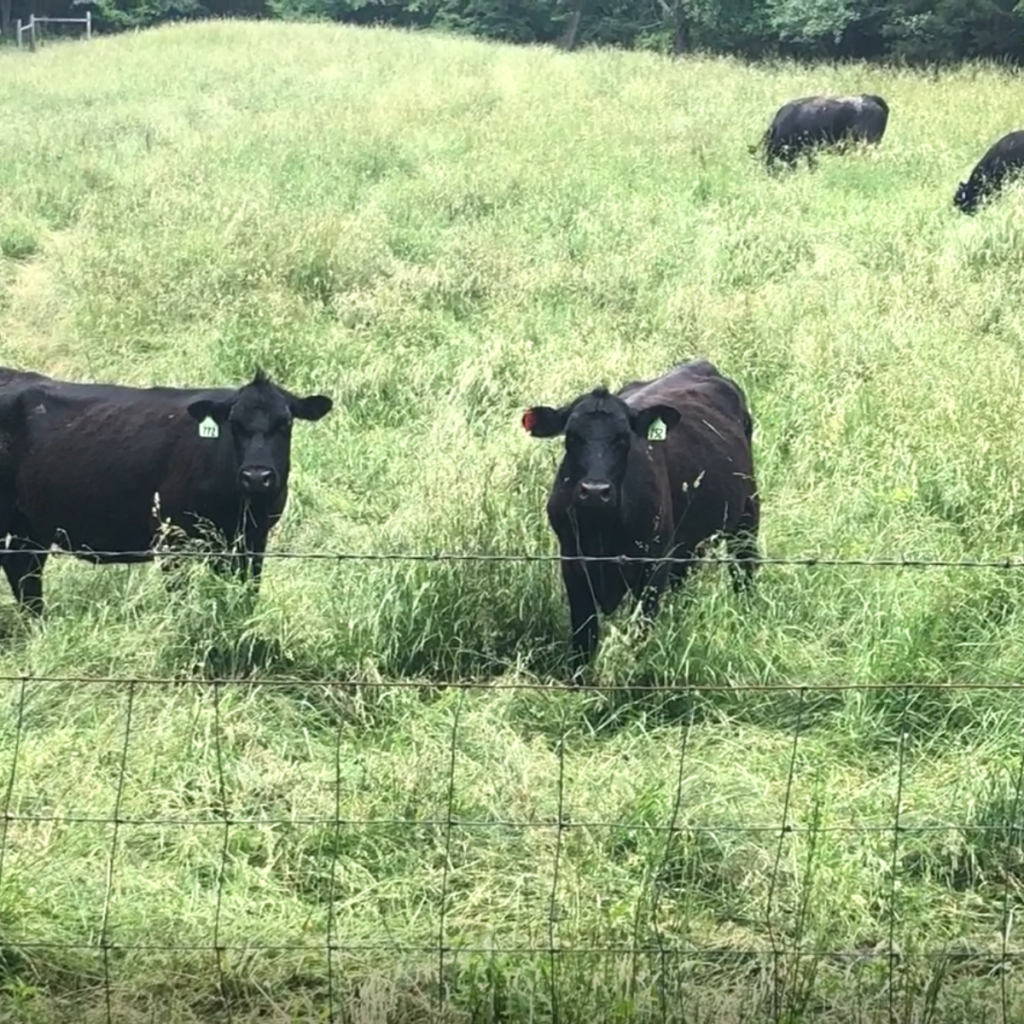
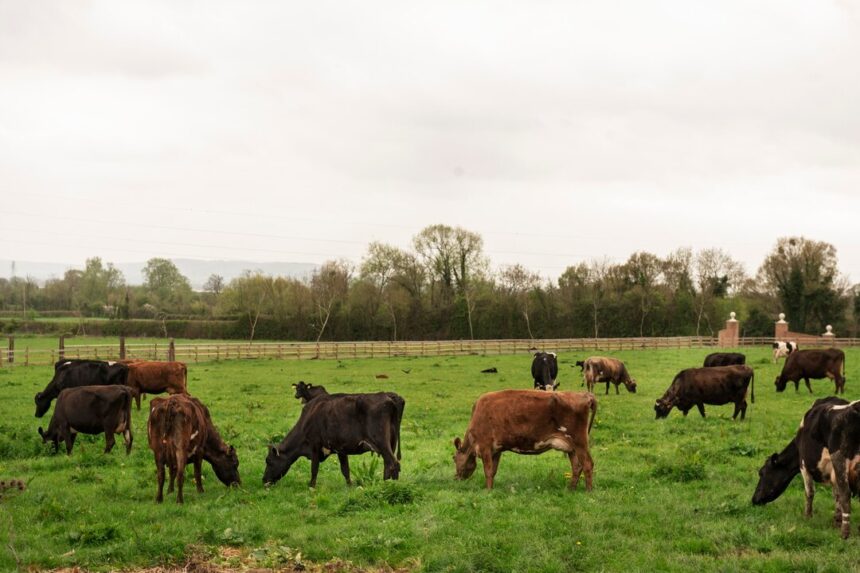
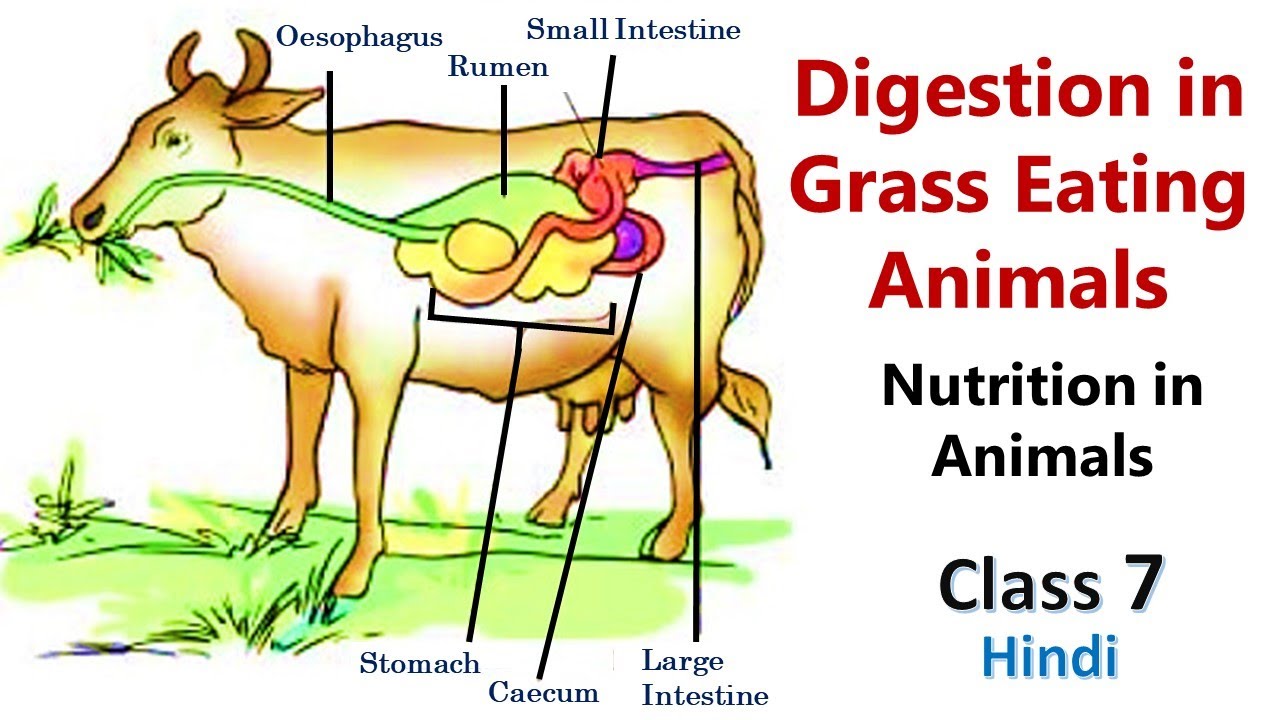
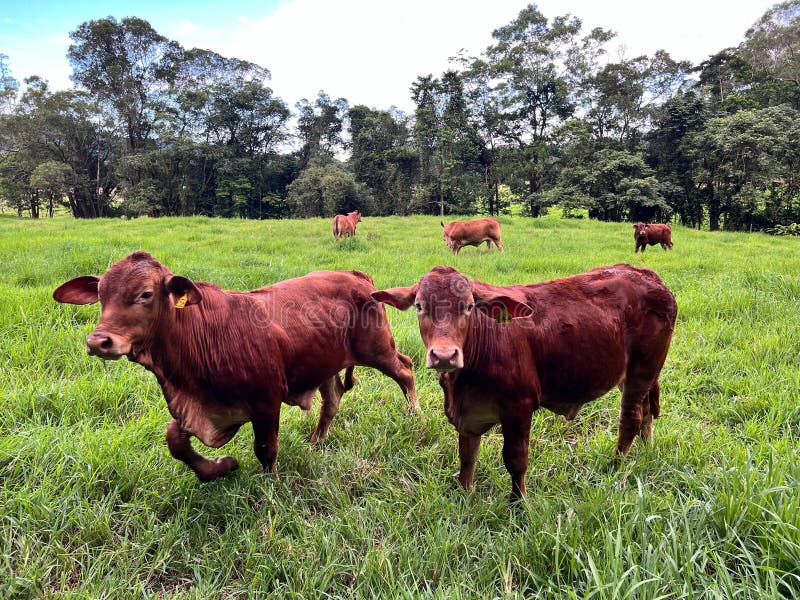
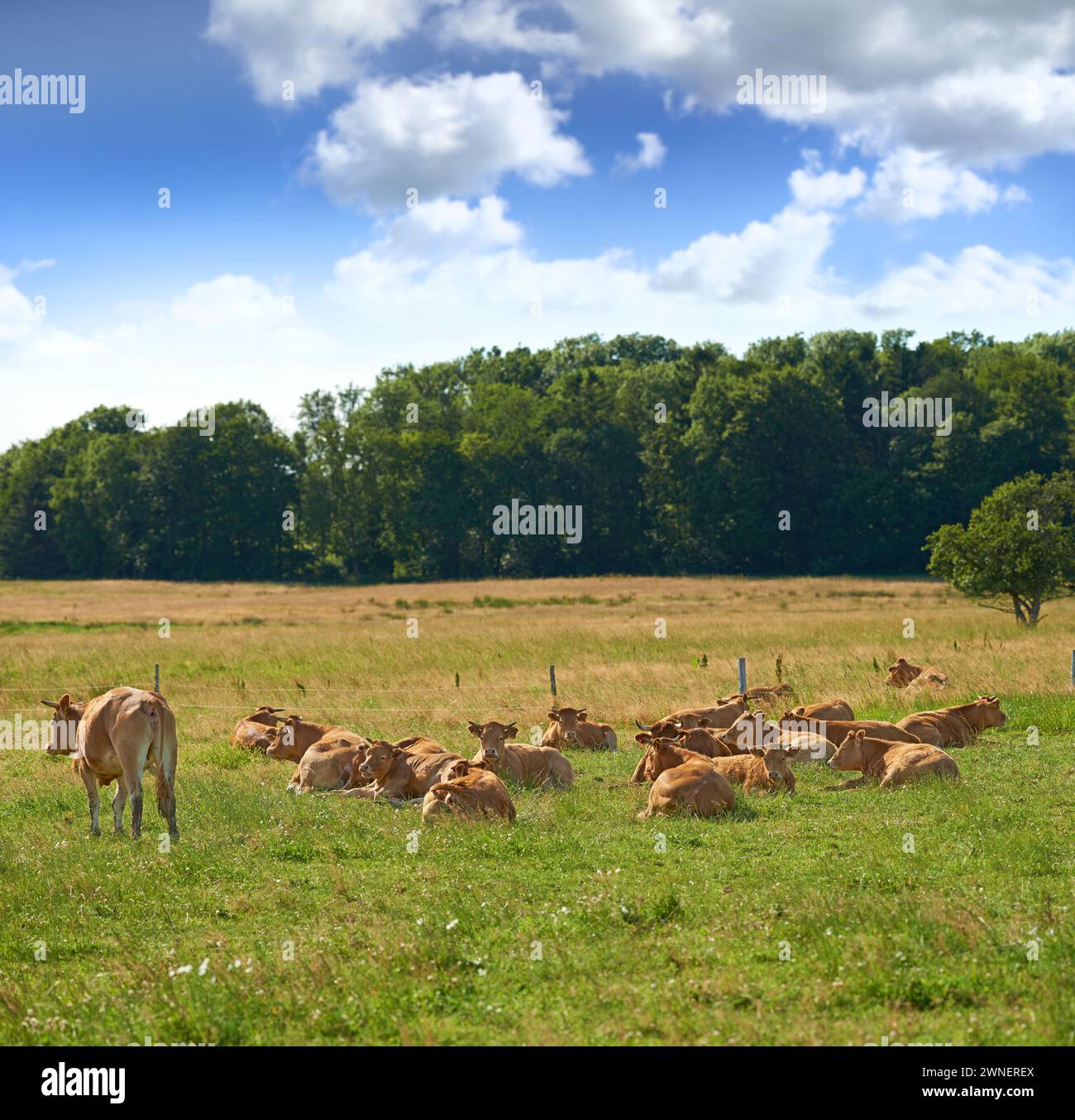
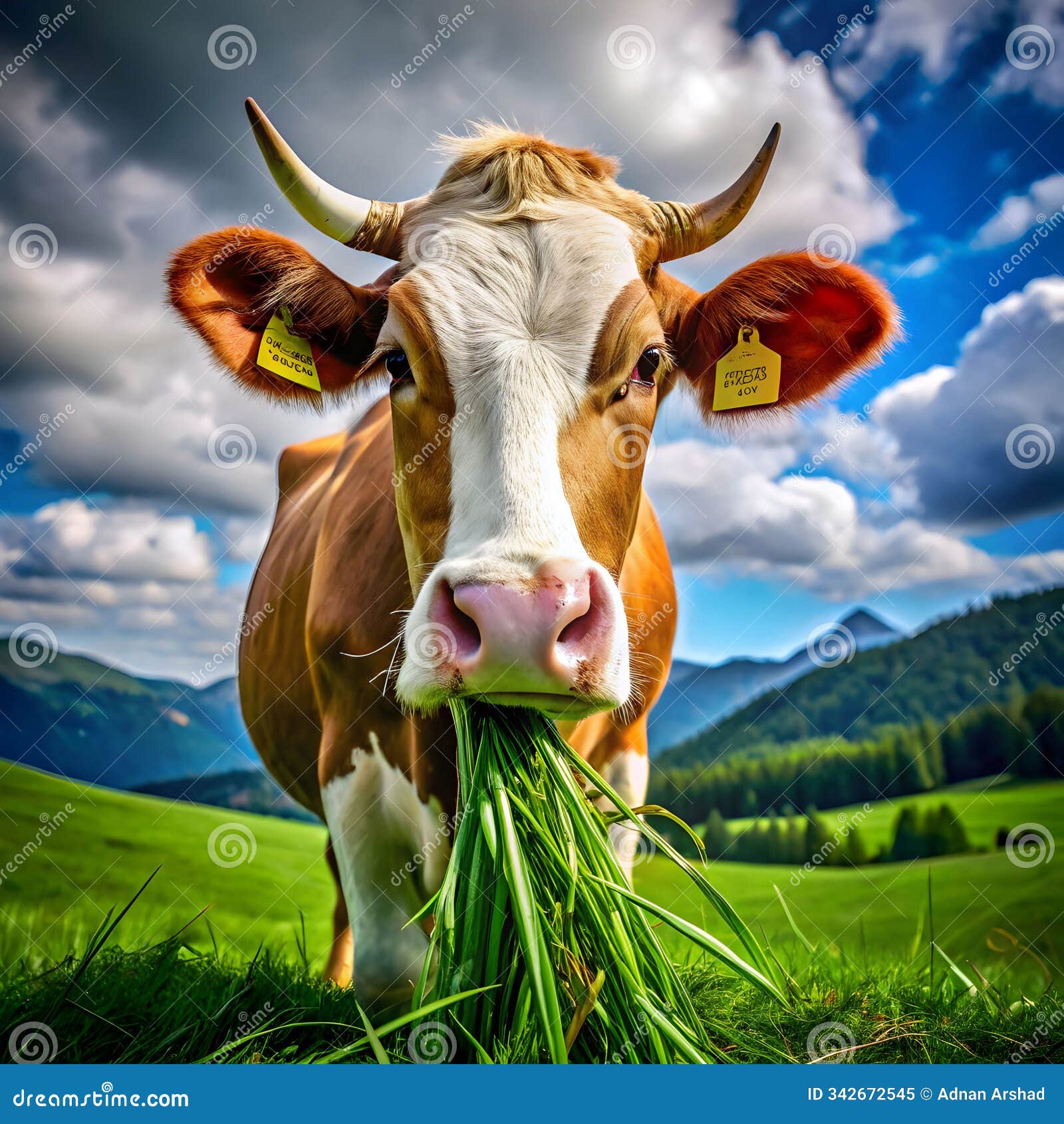
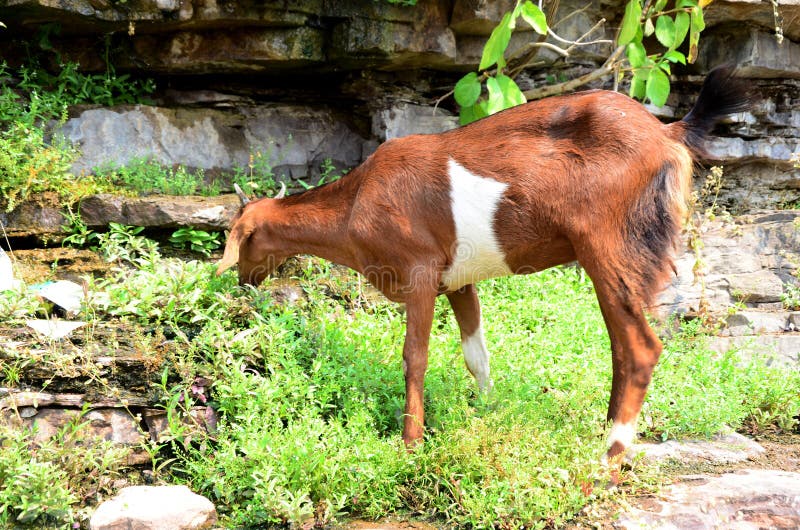
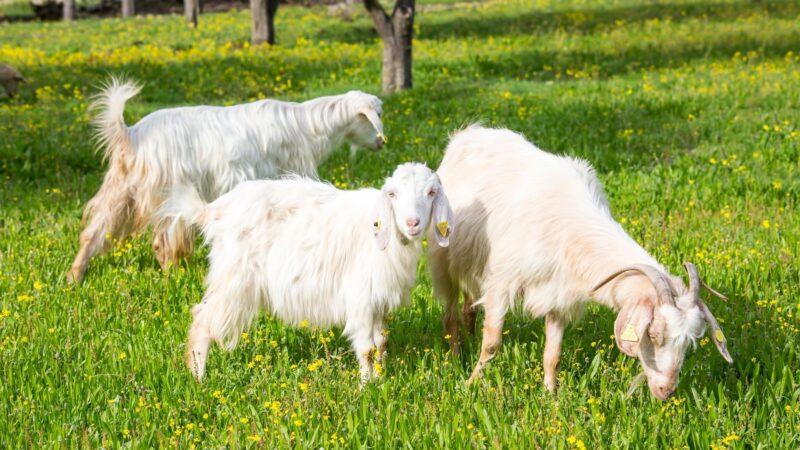
Furthermore, visual representations like the one above help us fully grasp the concept of Grass Eating And Foot Problems In Livestock.
The problem lies in a fungal endophyte (Neotyphodium coenophialum) that lives within the grass . While this fungus strengthens the grass , making it more durable and resistant to harsh conditions, it also produces ergot-alkaloid compounds. These compounds are toxic to cattle and can lead to a range of health issues, collectively referred to as fescue toxicity.
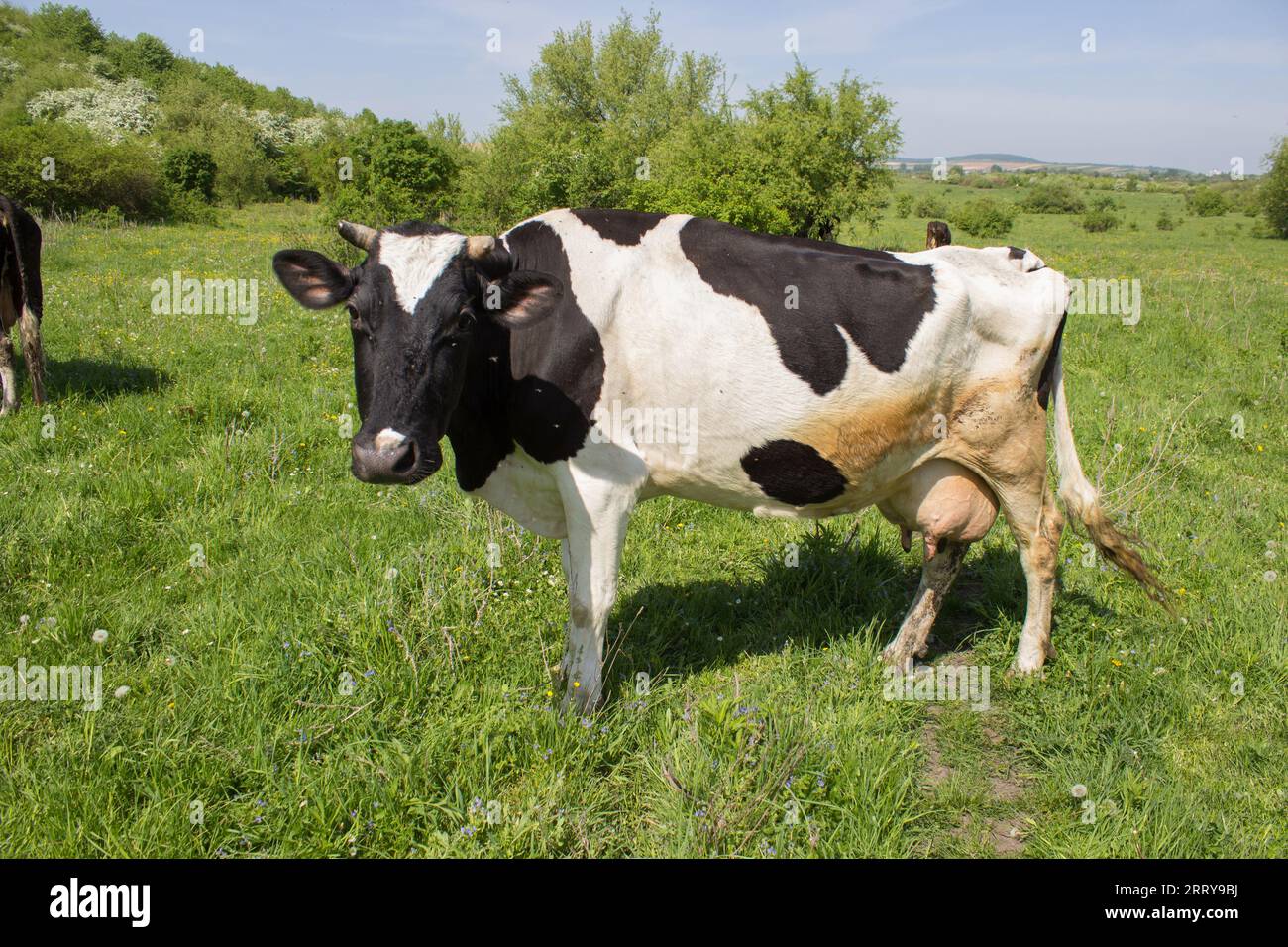
Rapidly growing, lush grasses can lead to grass tetany in grazing cattle. Grass tetany is more common in the spring but can occur with the cool-season growth of small grains in the fall and winter.













:strip_icc()/Lawn-disease-4Amhnth5KBh9u46ut_B5Bv-582dad145c8148ddb175a0d66c71392c.jpg "12 Most Common Lawn Diseases and How to Prevent Them")